


Back to Search Results

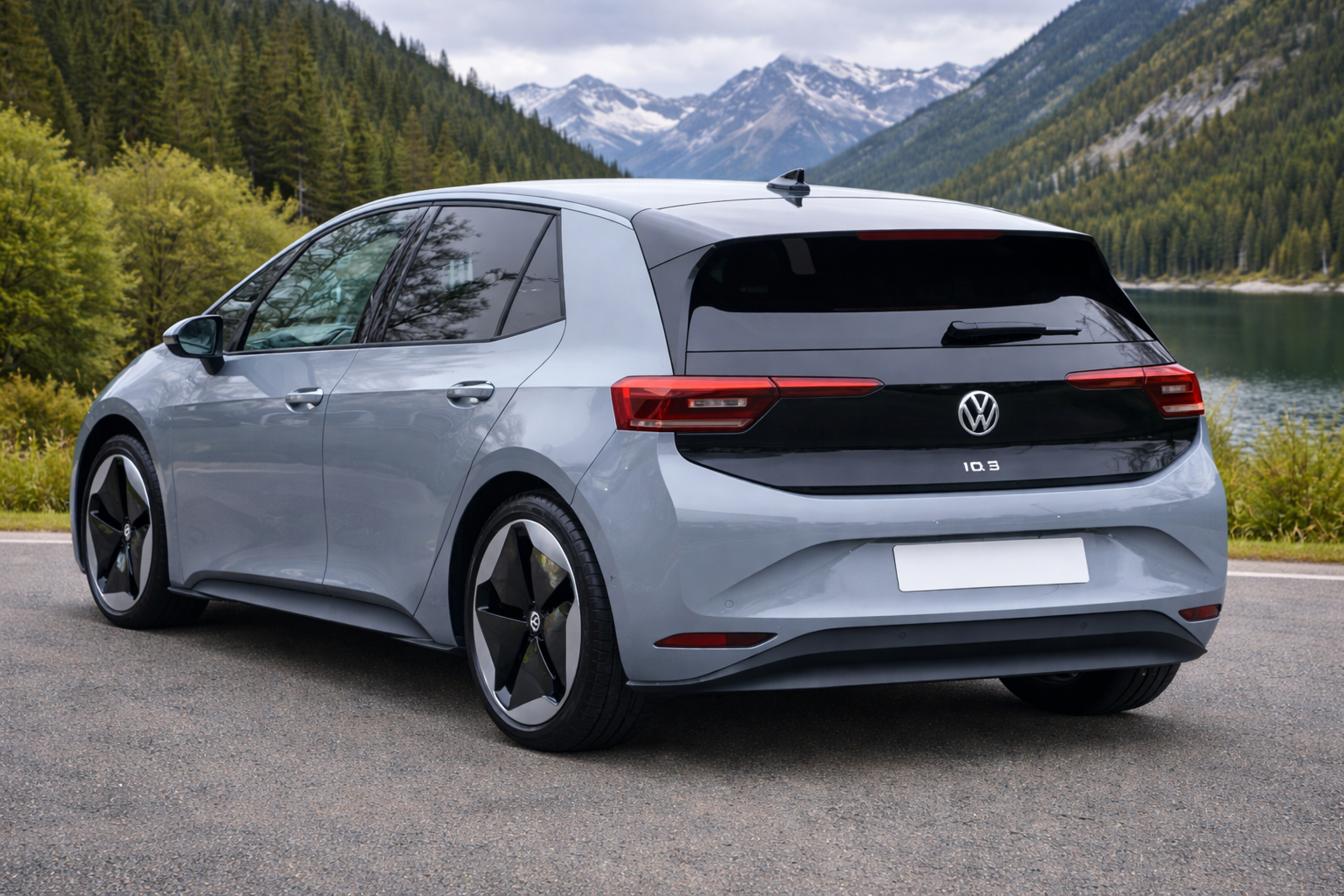
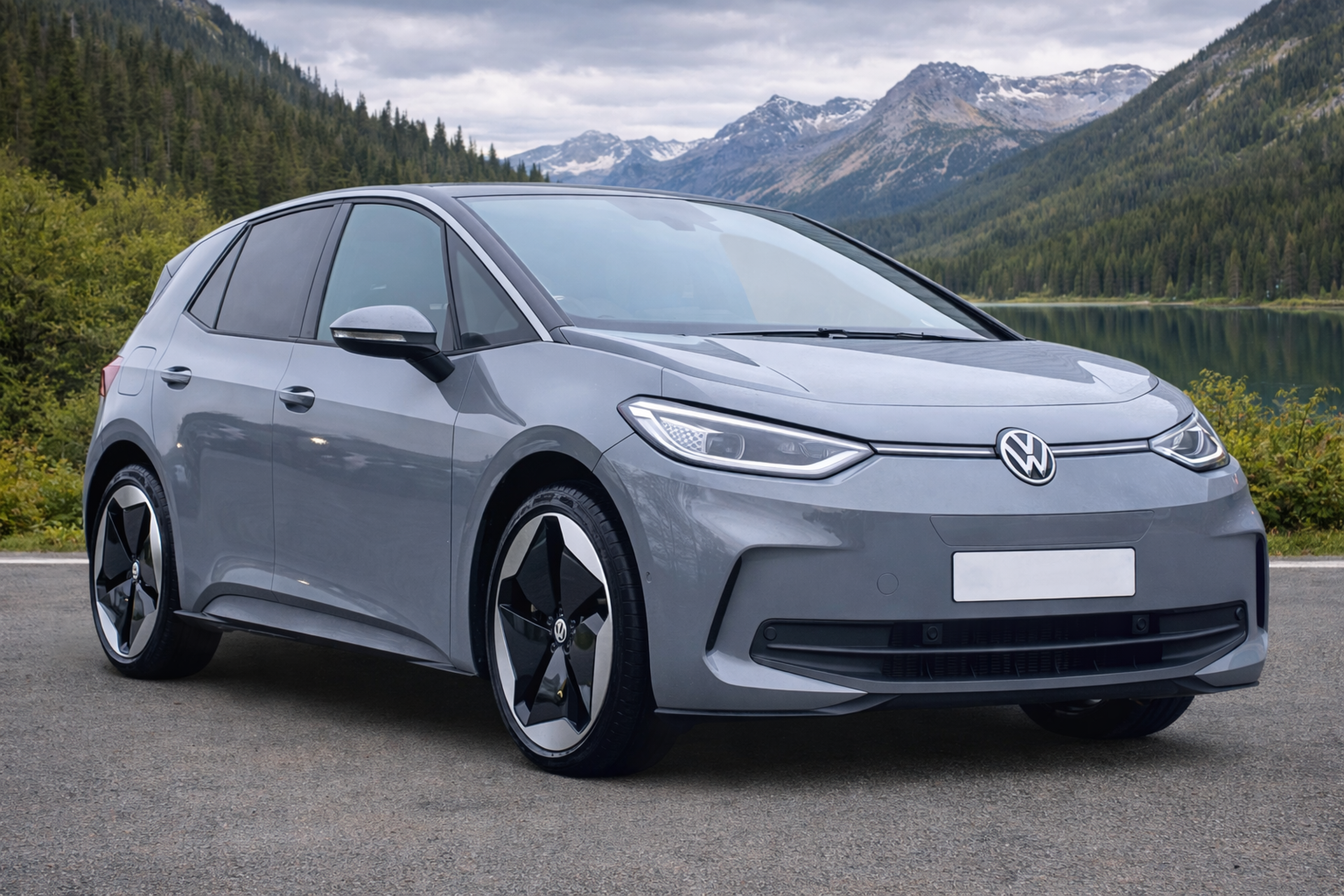
VOLKSWAGEN, ID.3 (Latest Model)

Rating 4

4

At a Glance

Price New
£30,860 - £49,305
Insurance Group
20 - 34
Fuel Type
Electric
Range
240 Miles - 370 Miles
Engine Power
167 bhp - 321 bhp
Number of Doors
5
Recommended Trim Level
ID.3 Pro (58 kWh)

Why it's great

Pro
Smooth, refined and incredibly easy to drive
Pro
Spacious cabin with a clever layout
Pro
Strong efficiency and low running costs

What could be better

Con
Interior materials and finish still feel a step below rivals
Con
Earlier software quirks haven’t been fully forgotten
Con
Performance and character are competent rather than memorable

The Volkswagen ID.3 is a car that arrived carrying the kind of pressure most models never have to deal with. It wasn’t just “the next VW hatchback,” it was billed as the spiritual successor to the Golf, the car that would drag Volkswagen confidently into the electric era after Dieselgate and years of corporate soul-searching. In short, the ID.3 was meant to represent a new beginning.

That kind of expectation can turn even a strong product into a lightning rod for criticism and the early ID.3s certainly felt the weight of the moment. Some software glitches, an interior that didn’t quite hit the premium notes people expected from VW and a general sense that perhaps it had been pushed out of the oven a little early. But now that Volkswagen has refined the formula with improved materials, more mature software and a more confident identity, the ID.3 feels much more like the EV it should have been at launch.

This updated version is calmer, more polished and more complete. It still won’t set your pulse racing like a Tesla Model 3 or charm you with quirky personality like a Honda e. It isn’t trying to be the boldest or the sportiest. Instead, it aims to be the default electric car, the one you recommend to people who just want something sensible, practical, efficient and reassuringly easy to live with. And in that role, it succeeds remarkably well.

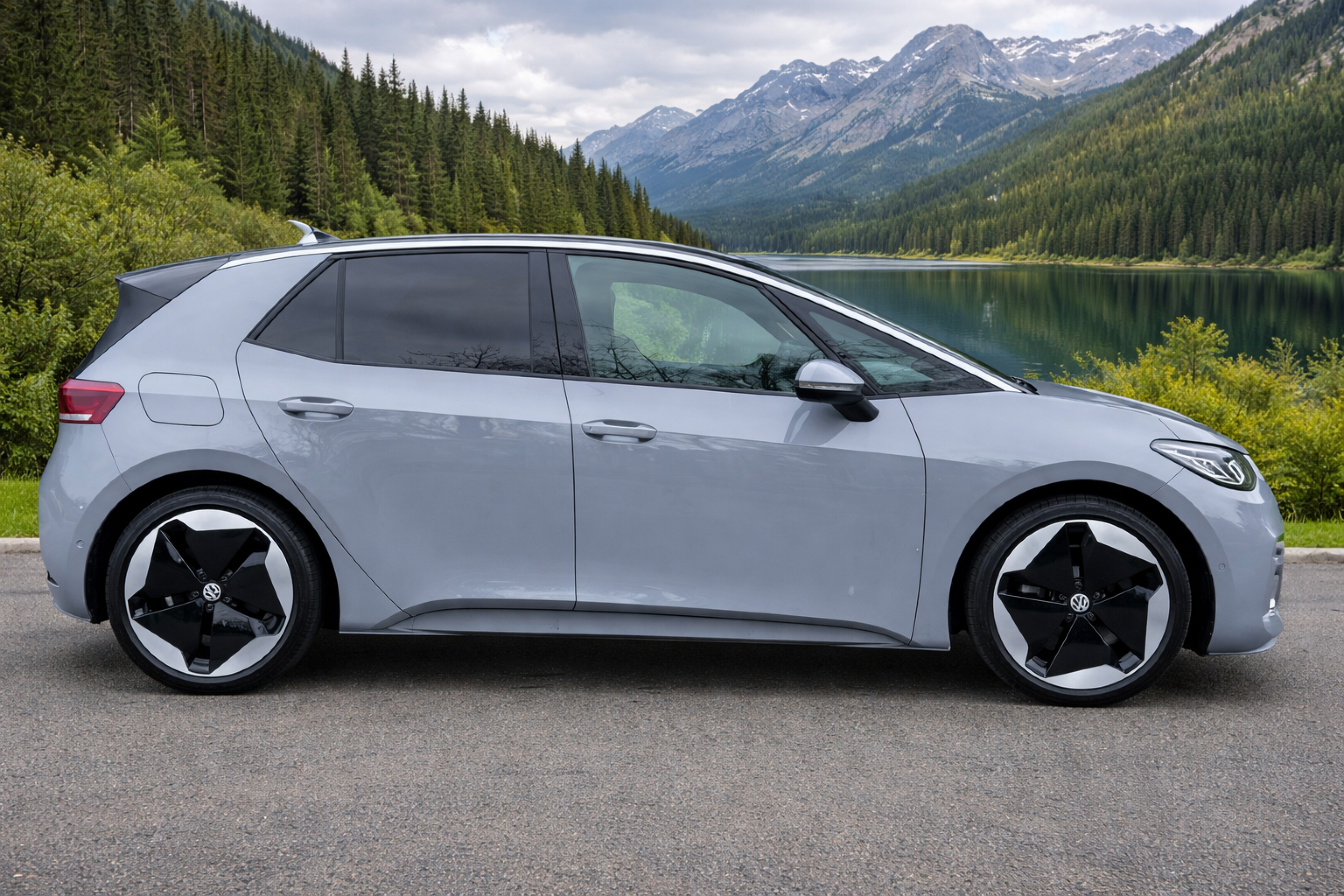
The ID.3 competes with cars like the Cupra Born, Renault Megane E-Tech, Peugeot e-308 and MG4. Some of those offer sharper performance or more dramatic styling. But very few manage to feel as stable, refined and comfortable as the ID.3 does in daily use. It’s the quiet achiever, the one that gets on with life without demanding attention.

Check Your Vehicle

Get a Complete Car History Check You Can Trust

We check more! Our reports contain over 85 data points so you get complete peace of mind.

Enter your vehicle registration number

UK

Prices, Engines & Trim Levels

VW keeps the ID.3 lineup relatively straightforward but each version has a specific personality. Prices for the ID.3 currently start at around £35,000, rising to just over £43,000 depending on battery size and specification.

The Pro 58kWh sits at the heart of the range and is the model that feels most balanced for British roads. Priced from around £35,200, it offers strong real-world range, smooth power delivery and the best price-to-performance ratio in the line up. The Pro Performance variant is slightly livelier, adding a bit more shove for motorway merging and brisk A-road driving but with pricing edging closer to £37,000, most drivers will be perfectly content with the standard Pro.

The higher capacity 77kWh Pro S model pushes the price up to around £42,000–£43,000 but in return offers long distance capability that rivals much more expensive EVs, delivering seriously impressive motorway legs. It’s also heavier, more expensive and a touch slower to charge. Worth it if you’re regularly doing 200 mile plus stretches in a single go but perhaps overkill for many typical UK usage patterns.

VW’s trim structure focuses on equipment bundles rather than wildly different characters. Even mid-tier models come reasonably well equipped, with infotainment, heated seats, LED lighting and a full suite of driver aids included as standard. But as with many German brands, the options list can still escalate quickly. Adding upgraded audio systems, larger wheels or convenience packs can turn an affordable family EV into something nudging premium car pricing.

The ID.3 Pro (58kWh) remains the sweet spot. It’s the version most people imagine when they picture a practical, quiet, comfortable EV that will simply work.

Interior

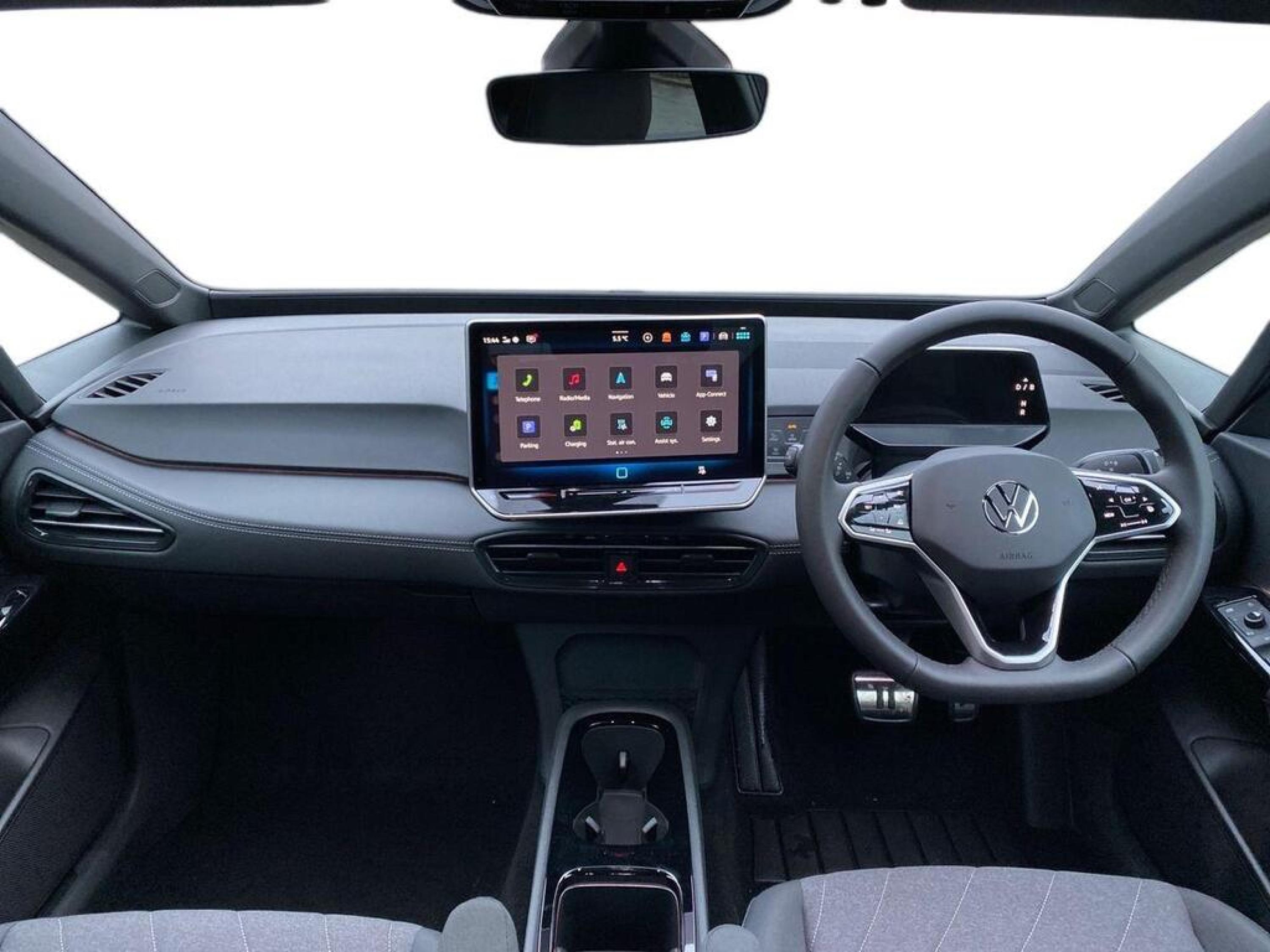
Inside, the ID.3 aims for simplicity, spaciousness and efficiency. It doesn’t try to reinvent the cabin like Tesla does, nor does it go for the overtly premium ambience of something like a Mercedes EQA. Instead, it prioritises usability and space and largely succeeds.

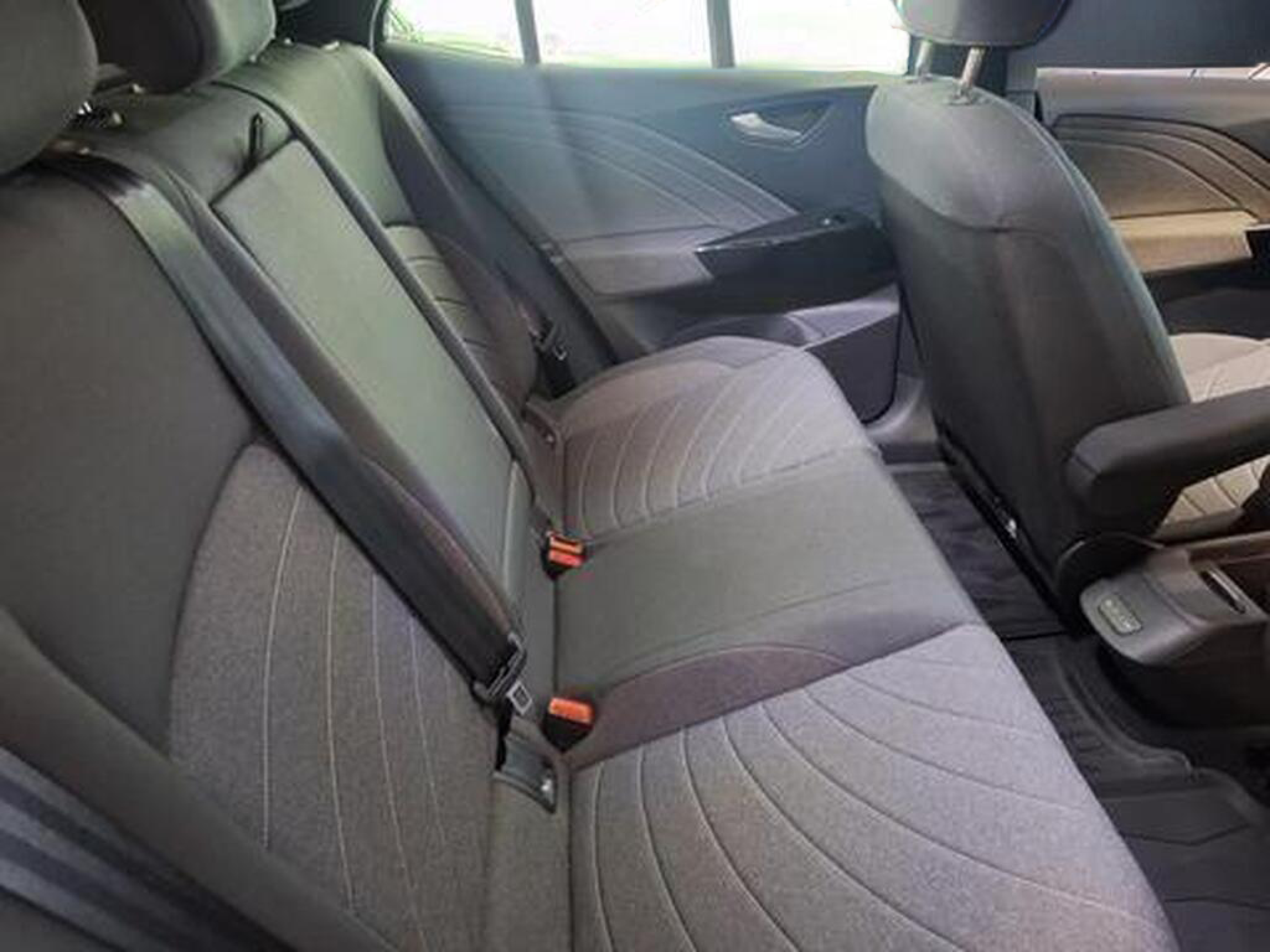
Starting with the positives: the ID.3 feels airy. The upright seating position, expansive windscreen and generous side windows create a sense of openness that’s rare in compact EVs. The flat floor gives the car a more flexible cabin than a typical hatchback and the benefits of VW’s MEB platform are immediately obvious. If you’re coming from a Golf, the ID.3 feels noticeably bigger inside, especially in the rear seats, where legroom surprises almost everyone who climbs in.

Material quality has improved significantly in the latest updates. Gone are some of the harder plastics that gave the early models a slightly cost-cut feel. In their place are softer touch surfaces, more cohesive textures and better solidity. It still isn’t as plush as a BMW iX1 or as characterful as a Peugeot e-308 but it feels appropriately modern and considerably more premium than before.

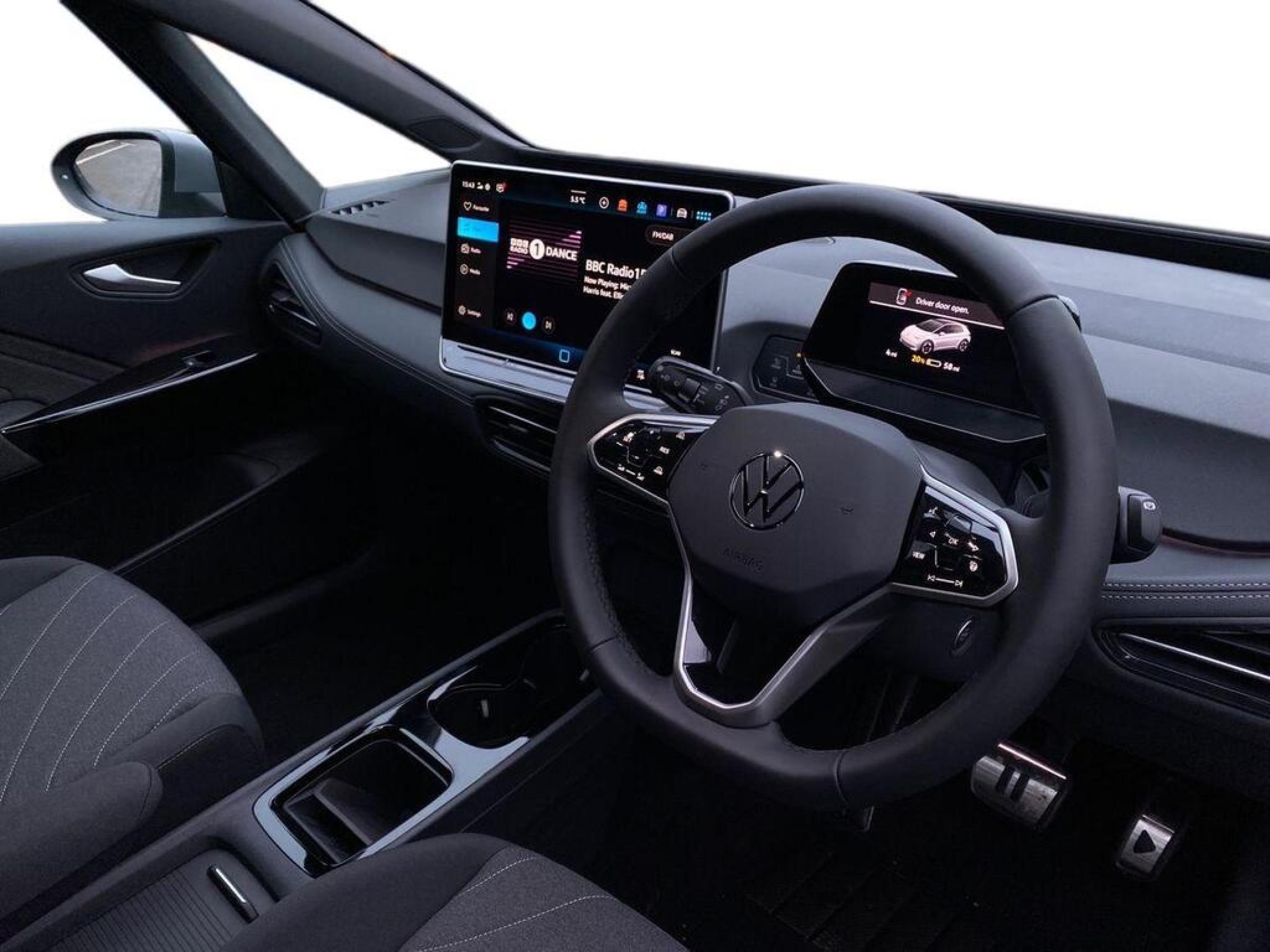
The infotainment has also been refined. The screen remains bright and attractive and while the menu structure still requires some learning, it’s far less frustrating than before. VW’s touch sliders for temperature and volume continue to divide opinion, functional enough but not ideal when you’re on a bumpy road or trying to make adjustments in the dark. Still, software stability is now much stronger and responsiveness is good.

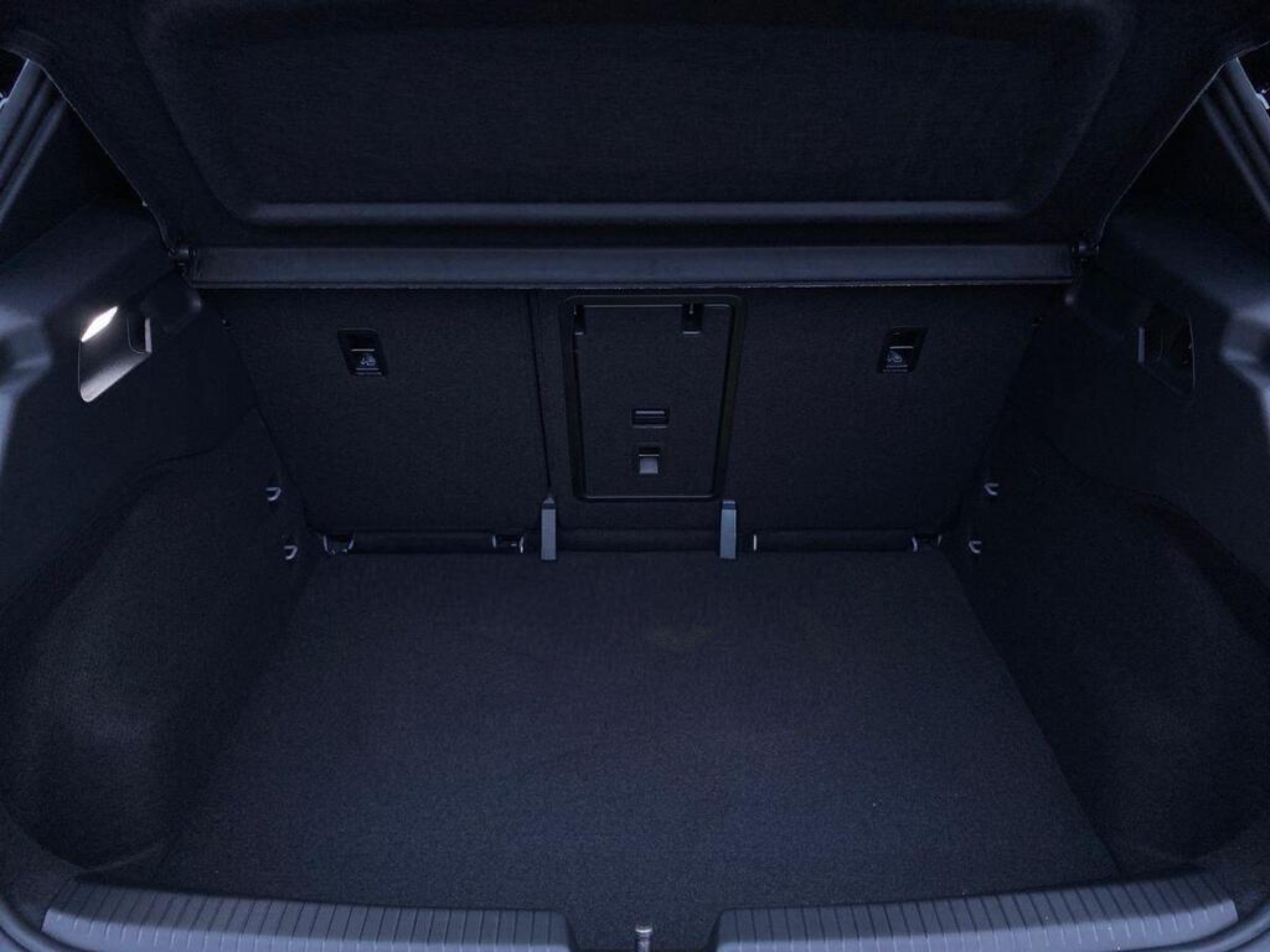
Practical storage is excellent. Big door bins, useful centre compartments and a wide, usable boot make the ID.3 feel like a car designed with real families in mind.

Overall, the cabin vibes are “clean, modern and sensible,” rather than plush or sporty, which suits the ID.3’s personality well.

Driving Experience

The ID.3’s driving experience can be summed up in one word: calm. This isn’t an EV that tries to impress you with neck snapping acceleration or aggressive regenerative braking. Instead, it moves with a gentle confidence, the sort of car that seems to lower your heart rate when you drive it.

Steering is light but precise enough for everyday manoeuvres and the ID.3 feels nimble in towns despite its relatively wide footprint. Ride quality is one of its biggest strengths. It absorbs rough surfaces, potholes and broken British tarmac with maturity, staying composed without becoming floaty. Some compact EVs struggle to hide their weight; the ID.3 seems to carry itself lightly.

On A-roads, it gains a pleasing sense of stability. It’s not sporty in the way the Cupra Born is (that car adds sharper steering and firmer suspension) but it is consistently comfortable. The ID.3 doesn’t beg to be pushed, it feels happiest at a relaxed, confident pace, gliding through bends with a smooth, measured attitude.

Motorway performance is impressive too. Wind noise is controlled, tyre roar is modest and the ID.3 feels planted even in blustery conditions. Some EVs require constant steering corrections; the ID.3 simply tracks straight and true, making long distance travel surprisingly easy for a compact car.

Acceleration is brisk rather than thrilling. Enough to merge cleanly, overtake confidently and keep up with fast moving traffic but it won’t deliver the kick of something like a Tesla Model 3. And that’s fine, the ID.3’s mission is comfort and stability, not theatrics.

Overall, the driving experience feels reassuring, mature and quietly competent, exactly what a mainstream EV should strive for.

Running Costs

The ID.3 has always been one of the strongest EVs in terms of efficiency. Even in mixed British weather, real world range from the 58 kWh battery tends to land comfortably between 200 and 260 miles. On gentle summer drives, stretching beyond 280 miles is entirely possible. This puts it well ahead of similarly sized EVs from Stellantis (Peugeot, Vauxhall, Citroën) and neck and neck with the MG4.

Charging speeds are decent rather than ground breaking. The 58 kWh models peak at around 120 kW, while the larger 77 kWh pack can handle up to 170 kW-  faster but still not in EV6/Ioniq 5 territory. In practice, this means a typical 10–80% top-up takes around 30–36 minutes, depending on temperature and charger quality.

Home charging is where the ID.3 shines. Its efficiency means that overnight charging on cheaper tariffs keeps running costs extremely low. Even heavier users will find it significantly cheaper to run than a petrol or diesel equivalent and lower than many rival EVs.

Battery longevity is solid too. VW’s thermal management is conservative and has shown strong real world durability.

In everyday running costs, the ID.3 is extremely hard to beat.

Practicality & Size

Volkswagen’s decision to build the ID.3 from scratch on a dedicated EV platform pays huge dividends in practicality.

Rear legroom is excellent, far better than in most ICE hatchbacks and headroom is generous thanks to the tall cabin. The flat floor makes the middle rear seat much more useful than in cars with transmission tunnels and the upright door openings make getting in and out particularly easy for children or older passengers.

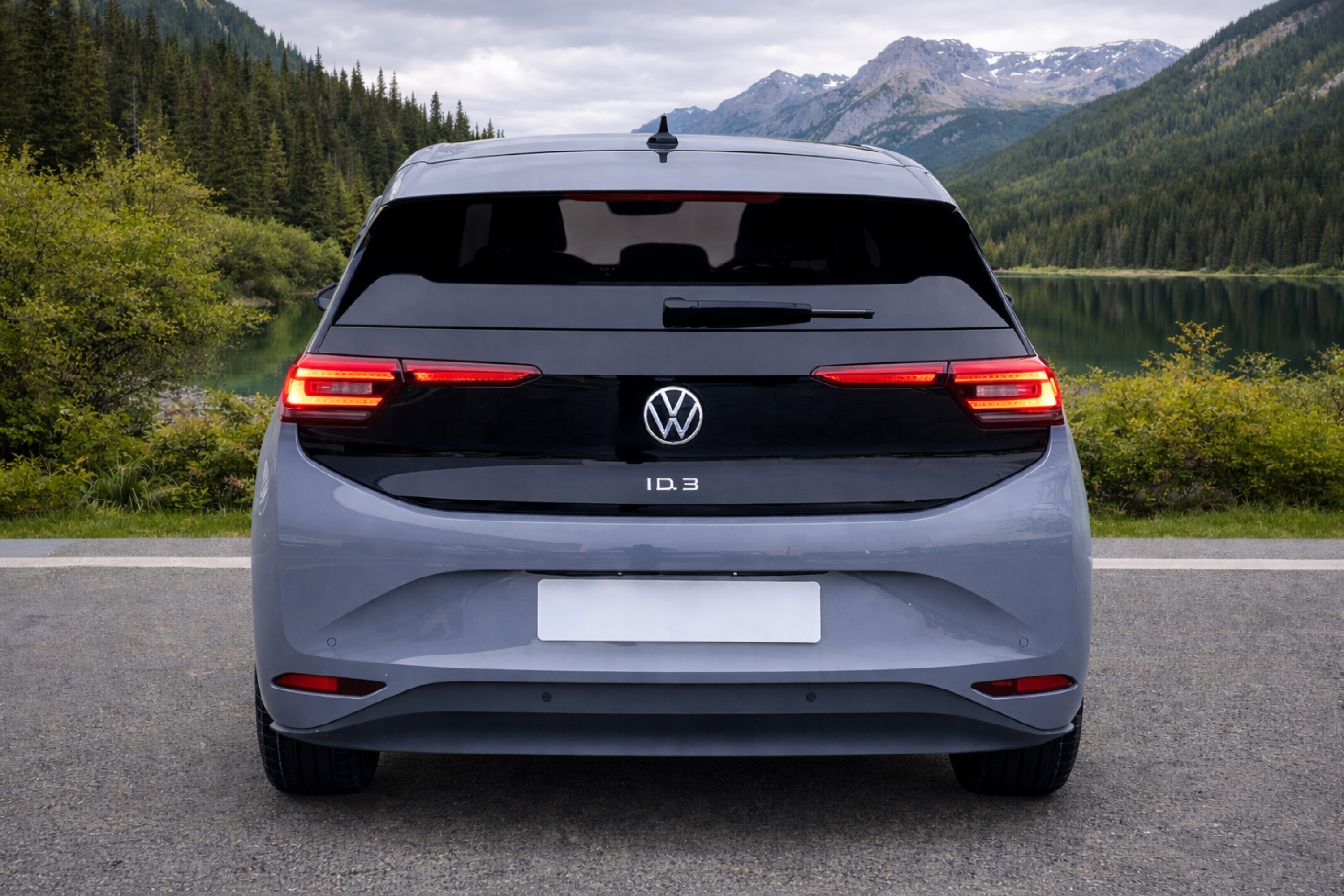
The boot, at first glance, looks modest but it’s well shaped and deceptively deep. It compares favourably to rivals like the Renault Megane E-Tech and Peugeot e-308, though it can’t quite match the MG4’s clever depth or the Cupra Born’s more flexible layout.

In the front, storage is abundant, with large door bins, adaptable cupholders and a practical central space for bags or gadgets.

The ID.3 is an easy car to live with in almost every regard. Its compact footprint makes it manageable in towns but its spacious interior makes it feel like a class above on the inside.

Safety & Reliability

The ID.3 arrives with all the expected VW safety engineering. It scored strongly in Euro NCAP testing and includes a broad suite of driver assistance systems such as adaptive cruise, lane keeping, blind spot monitoring and automatic emergency braking.

The early software hiccups that hurt its launch reputation have largely been ironed out. Updates have improved stability, responsiveness and general day to day reliability. Build quality has also improved and reports of early fit-and-finish issues have declined in more recent production runs.

Mechanically, the ID.3’s drivetrain is simple, dependable and proven across millions of MEB-platform vehicles globally.

This isn’t a car that feels experimental; it feels robust and ready for long term ownership.

Final Thoughts

The Volkswagen ID.3 is not the most exciting EV in its class, nor the most luxurious, nor the fastest. But it doesn’t need to be. What it offers instead is something far more relevant to most buyers: stability, comfort, refinement and ease of use. It’s a car that simply gets on with life, quietly, efficiently and without fuss.

It feels like the EV equivalent of a well fitted pair of trainers: not the flashiest item in the wardrobe but the one you reach for every day because it just works. And for many buyers, that’s exactly what an electric hatchback should be.

If you want a practical, well rounded, efficient EV that feels familiar in all the right ways, the ID.3 deserves a very close look.

Select a model below for full specifications.

Title Order Engine Power Order 0-60 Order Electric Range Order Price New Order Battery Capacity Order
125kW Essential Pure 52kWh 5dr Auto 167 bhp 7.9 s 241 Miles £30,860 55 kWh
125kW Match Pure 52kWh 5dr Auto 167 bhp 7.9 s 240 Miles £32,220 55 kWh
125kW Match Pure 52kWh 5dr Auto [Comfort] 167 bhp 7.9 s 240 Miles £34,545 55 kWh
125kW Match Pure 52kWh 5dr Auto [Comfort/Pan Roof] 167 bhp 7.9 s 240 Miles £35,340 55 kWh
125kW Match Pure 52kWh 5dr Auto [Pan Roof] 167 bhp 7.9 s 240 Miles £33,015 55 kWh
150kW Essential Pro 59kWh 5dr Auto 201 bhp 7.4 s 269 Miles £35,740 63 kWh
150kW EssentiaL Pro S 79kWh 5dr Auto [5 Seats] 201 bhp 7.9 s 352 Miles £36,995 82 kWh
150kW Match Pro 59kWh 5dr Auto 201 bhp 7.4 s 268 Miles £36,660 63 kWh
150kW Match Pro 59kWh 5dr Auto [Comfort] 201 bhp 7.4 s 268 Miles £38,985 63 kWh
150kW Match Pro S 79kWh 5dr Auto [5 Seats] 201 bhp 7.9 s 350 Miles £39,940 82 kWh
150kW Match Pro S 79kWh 5dr Auto [Comfort/5St] 201 bhp 7.9 s 350 Miles £42,265 82 kWh
150kW Match Pro S 79kWh 5dr Auto [Comfort/Pan/5St] 201 bhp 7.9 s 350 Miles £43,060 82 kWh
150kW Match Pro S 79kWh 5dr Auto Pan Roof/5 Seats 201 bhp 7.9 s 350 Miles £40,735 82 kWh
150kW Pro 59kWh 5dr Auto 201 bhp 7.4 s 268 Miles £37,530 63 kWh
150kW Pro 59kWh 5dr Auto [Comfort] 201 bhp 7.4 s 268 Miles £39,855 63 kWh
150kW Pro 59kWh 5dr Auto [Comfort/DAP] 201 bhp 7.4 s 268 Miles £41,030 63 kWh
150kW Pro 59kWh 5dr Auto [Comfort/Ext/Pan Rf] 201 bhp 7.4 s 268 Miles £42,375 63 kWh
150kW Pro 59kWh 5dr Auto [Comfort/Ext/Pan Rf/DAP] 201 bhp 7.4 s 268 Miles £43,550 63 kWh
150kW Pro 59kWh 5dr Auto [DAP] 201 bhp 7.4 s 268 Miles £38,705 63 kWh
150kW Pro 59kWh 5dr Auto [Exterior/Pan Rf] 201 bhp 7.4 s 268 Miles £40,050 63 kWh
150kW Pro 59kWh 5dr Auto [Exterior/Pan Rf/DAP] 201 bhp 7.4 s 268 Miles £41,225 63 kWh
150kW Pro S 79kWh 5dr Auto [5 Seats] 201 bhp 7.9 s 352 Miles £43,285 82 kWh
150kW Pro S 79kWh 5dr Auto [Comf/DAP/5 Seats] 201 bhp 7.9 s 352 Miles £46,785 82 kWh
150kW Pro S 79kWh 5dr Auto [Comf/Ext/Pan Rf/5St] 201 bhp 7.9 s 352 Miles £48,130 82 kWh
150kW Pro S 79kWh 5dr Auto [Comfort/5 Seats] 201 bhp 7.9 s 352 Miles £45,610 82 kWh
150kW Pro S 79kWh 5dr Auto [DAP/5 Seats] 201 bhp 7.9 s 352 Miles £44,460 82 kWh
150kW Pro S 79kWh 5dr Auto [Ext/Pan Rf/5 Seats] 201 bhp 7.9 s 352 Miles £45,805 82 kWh
150kW Pro S 79kWh 5dr Auto [Ext/Pan Rf/DAP/5St] 201 bhp 7.9 s 352 Miles £46,980 82 kWh
150kW Pro S 79kWh 5dr Auto Comf/Ext/PanRf/DAP/5St 201 bhp 7.9 s 352 Miles £49,305 82 kWh
240kW GTX Performance 79kWh 5dr Auto 321 bhp 5.5 s 370 Miles £46,325 84 kWh
240kW GTX Performance 79kWh 5dr Auto [Pan Rf] 321 bhp 5.5 s 370 Miles £47,120 84 kWh

Help other car buyers by reviewing your car

Help fellow drivers make informed decisions by sharing your ownership experience. Tell us how your car performs in the real world - what you love, what you don't, and whether it's worth the money.

Login

Vehicle Information Disclaimer

Vehicle specifications, pricing information and technical data shown on this page are provided for general informational purposes only. Specifications, features and prices may change over time and may vary by market, model year, trim level or optional equipment. Electric vehicle range figures and fuel economy estimates may be based on manufacturer data or standardised testing procedures and may differ from real-world results. While www.vehiclecarcheckreviews.com makes reasonable efforts to ensure information is accurate, Adverglow Ltd does not guarantee the completeness or accuracy of vehicle data. Users should verify all vehicle specifications and pricing directly with manufacturers or authorised dealers before making purchasing decisions.

×