


Back to Search Results

NISSAN, Leaf (2018 - 2025)

Rating 4

4

At a Glance

Price New
£27,290 - £40,295
Insurance Group
0 - 23
Fuel Type
Electric
Range
168 Miles - N/A
Engine Power
147 bhp - 213 bhp
Number of Doors
5
Recommended Trim Level
Leaf e+ 75kWh Advance — the one that feels complete rather than compromised

Why it's great

Pro
Effortless, low stress ownership that suits real life brilliantly
Pro
Later versions finally remove range anxiety from the equation
Pro
Comfortable, settled driving manners on British roads

What could be better

Con
Interior design always played it safe
Con
Charging technology aged faster than the car itself
Con
Styling never quite escaped its cautious image

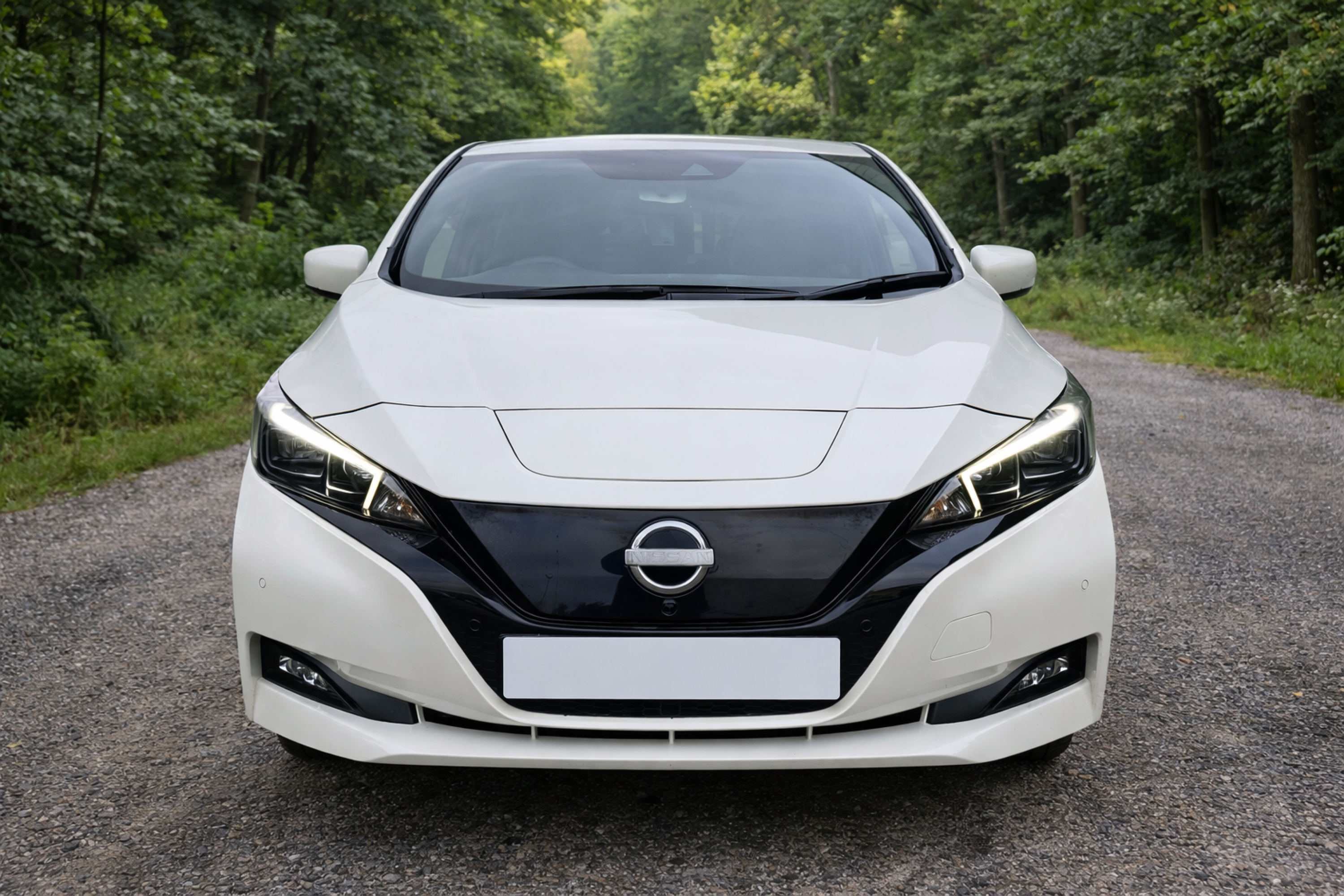
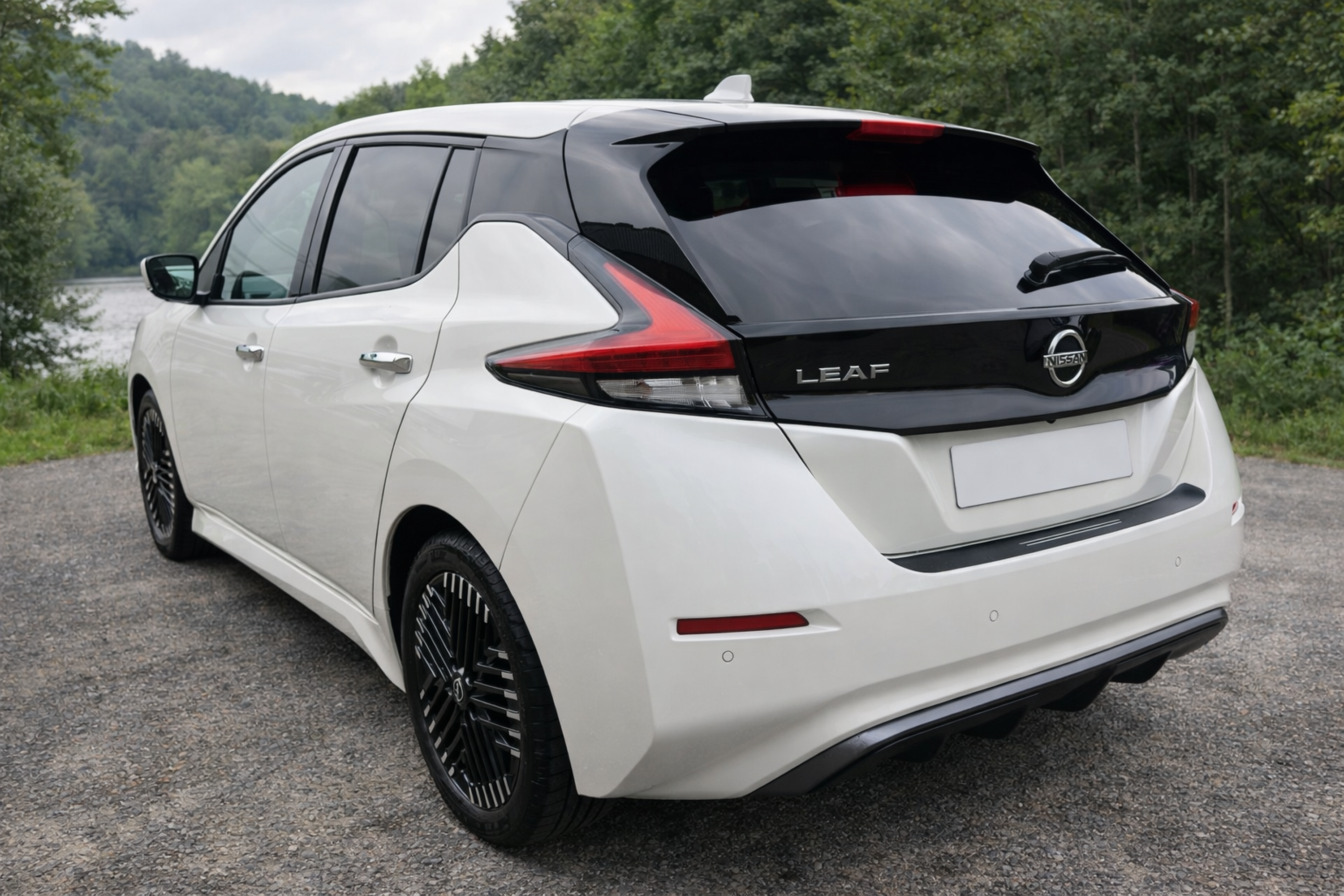
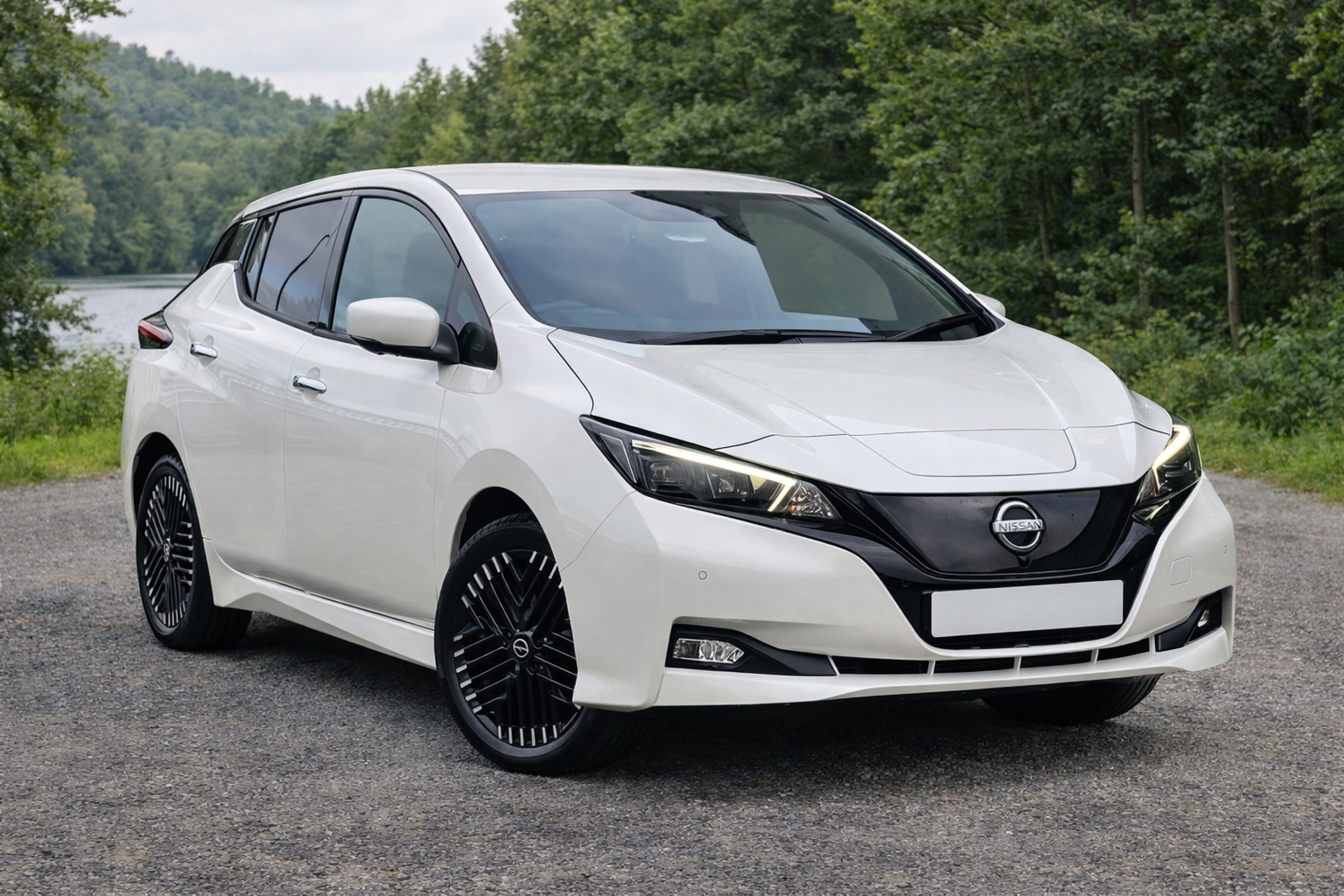
The Nissan Leaf is not the sort of car that demands to be noticed. It doesn’t make a statement when it rolls up, it doesn’t provoke debate and it certainly doesn’t try to look like it’s been dropped here from the future. Instead, it just exists — quietly, politely, and with an almost stubborn sense of normality. And that, it turns out, is the Leaf’s greatest trick.

When the second generation Leaf arrived in 2018, the electric car world was still gripped by an identity crisis. EVs were either expensive status symbols or worthy eco-appliances that felt like rolling compromises. Nissan took a different route. It made a car that looked like a hatchback, drove like a hatchback and fitted into daily life like a hatchback — it just happened to be electric.

Over the next seven years, while rivals shouted louder and grew more flamboyant, the Leaf quietly grew up. By the time production of the 2nd generation ended in 2025, it had become less of an EV pioneer and more of a trusted household name: a car that didn’t need explaining anymore.

Check Your Vehicle

Get a Complete Car History Check You Can Trust

We check more! Our reports contain over 85 data points so you get complete peace of mind.

Enter your vehicle registration number

UK

Prices, Engines & Trim Levels

At launch in 2018, the second generation Leaf entered the UK market at just under £28,000 before incentives. At the time, this felt almost radical, an electric family car priced within touching distance of mainstream petrol hatchbacks. Initially, there was a single powertrain: a 40kWh battery paired with a 150hp electric motor. This version was clearly aimed at commuters, city dwellers and households experimenting with electric ownership without wanting to redesign their lives around it.

Then came the pivotal moment in 2019. Nissan introduced the Leaf e+ and with it a larger battery and more power. This wasn’t about making the Leaf quicker — though it was quicker — but about changing what the car could be. The e+ turned the Leaf from a capable urban EV into something that could realistically handle long motorway journeys, family holidays and cross-country trips without feeling like a gamble.

As the model matured, Nissan gradually shifted emphasis away from the smaller battery. By the final UK sales years of 2024 and 2025, pricing started at roughly £32,000 and the focus was firmly on the 75kWh version. Engage trim catered to fleets and pragmatic private buyers, Engage+ added comfort features that made daily use easier, Advance struck the most convincing balance of tech and value and Evolve sat at the top, dressed up with extra luxury to prove the Leaf could feel premium if it wanted to.

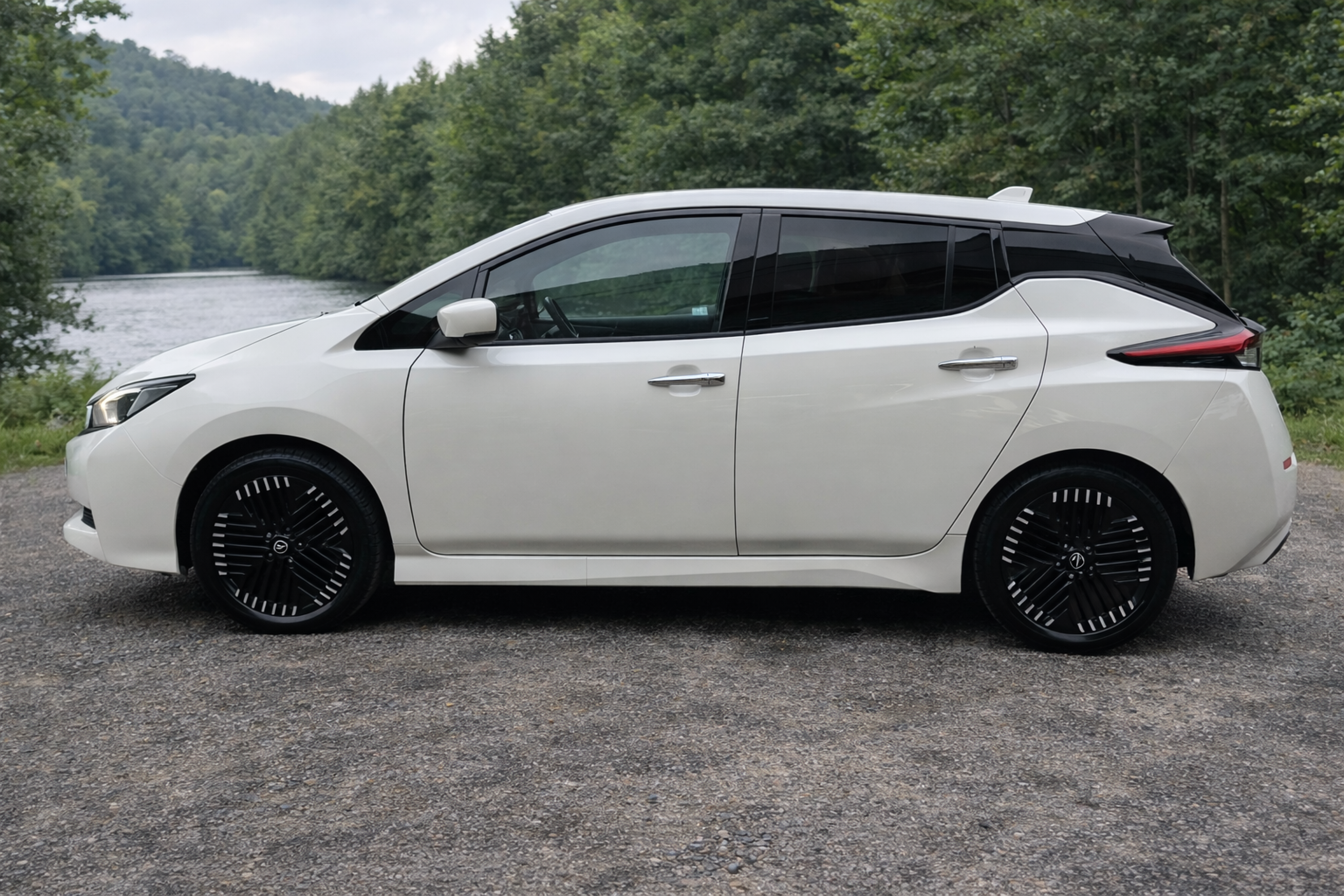
Facelifts were understated. Updates around 2022–2023 brought revised wheels, tidier exterior detailing, smoother infotainment software and more polished driver-assistance systems.

Interior

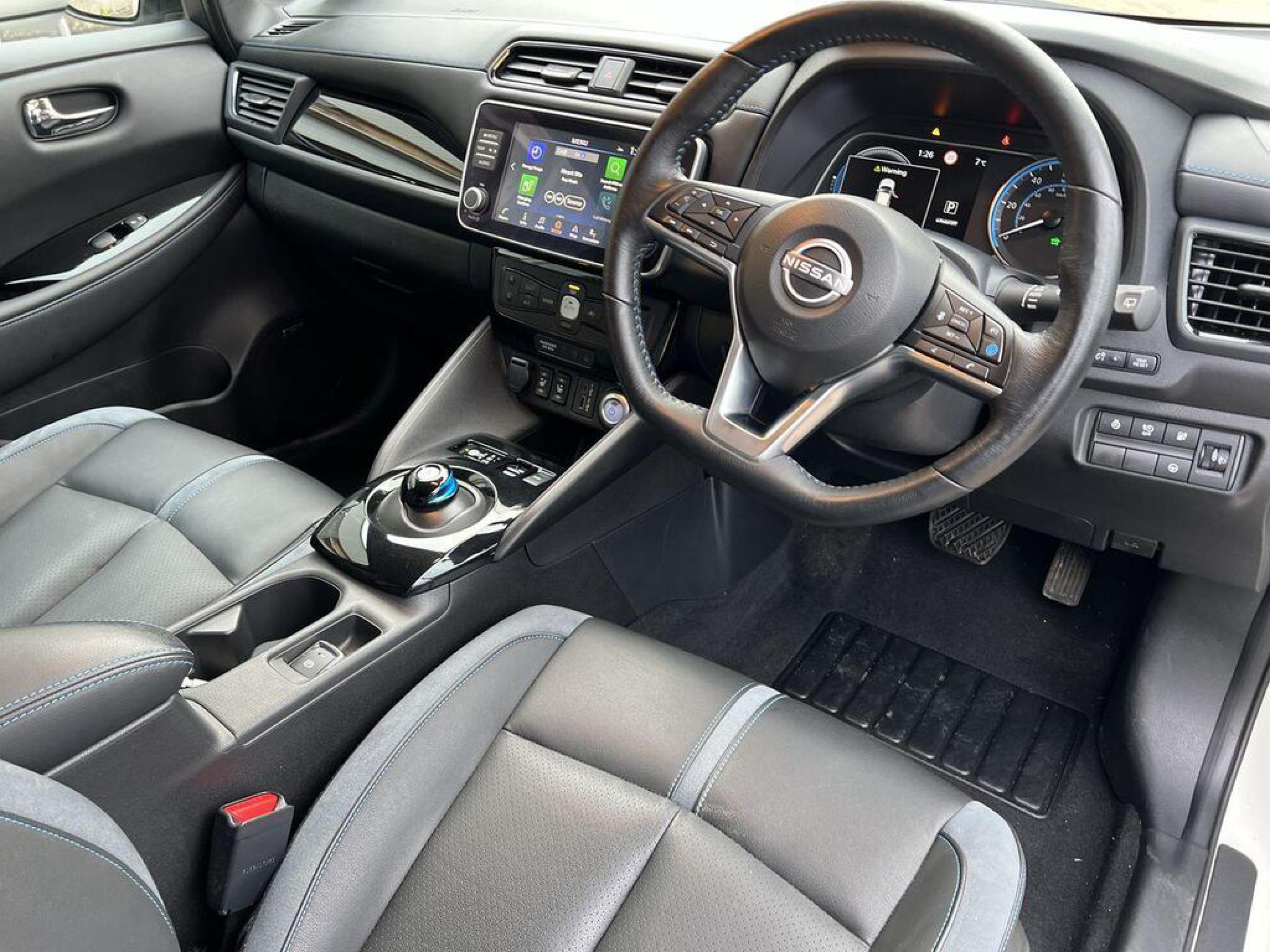
Step inside the Leaf and you immediately understand Nissan’s mindset. This is not a cabin designed to impress you in a showroom. It’s designed to make sense on a wet Tuesday morning. The dashboard layout is familiar, logical and refreshingly free of gimmicks, with controls placed where instinct expects them to be.

Earlier models leaned heavily on physical buttons and even as the Leaf evolved, Nissan resisted the urge to hide everything inside a screen. Later cars gained clearer digital displays and faster infotainment systems but the interface remained sensible rather than theatrical. Navigation, media, climate controls and EV data are easy to access and easy to understand, no need for tutorials or trial and error.

Material quality follows the same philosophy. Nothing here feels extravagant but everything feels durable. The surfaces you touch most often are pleasant, the seats are supportive over long distances and the driving position is easy to get right. Visibility is excellent, which contributes enormously to the Leaf’s relaxed character and makes urban driving far less stressful.

Compared to newer rivals, the Leaf’s interior can feel conservative but it also feels practical. It’s a space designed for use, not admiration — and that becomes more appealing the longer you live with it.

Driving Experience

The Leaf’s driving experience is best described as quietly reassuring. Press the accelerator and the electric motor responds smoothly, delivering power in a way that feels natural rather than dramatic. There’s enough urgency to make traffic effortless and motorway slip roads stress-free, but it never feels like it’s trying to impress you.

Ride comfort is one of the Leaf’s strongest attributes. British roads are rarely kind, yet the Leaf absorbs bumps, potholes and uneven surfaces with a calm composure that many newer EVs struggle to match. At speed, it feels planted and stable, settling into a relaxed cruise that encourages longer journeys.

Steering is light and predictable, tuned for ease rather than excitement. This isn’t a car that invites spirited driving but it is one that inspires confidence. Body control is tidy, grip levels are sensible and the Leaf always feels like it knows exactly what it’s doing.

In day-to-day use, that matters far more than outright thrills. The Leaf doesn’t ask for attention or reward aggression. Instead, it makes driving feel easy and that’s a harder thing to engineer than it sounds.

Running Costs

This is where the Leaf’s long development arc really pays off. The later 75kWh models fundamentally change how the car fits into daily life. Official range figures push well beyond 300 miles but in real UK driving, a consistent 250–280 miles is perfectly achievable without altering your habits.

Short trips barely make a dent in the battery, while longer journeys feel refreshingly ordinary. Cold weather and sustained motorway speeds still affect range — this is physics, after all — but the Leaf never feels fragile or unpredictable.

Charging follows the same no-nonsense theme. Plugged into a home wall box, the Leaf will comfortably recharge overnight, often restoring several days’ worth of driving in one go. On the motorway, rapid charging peaks at around 150kW on later cars, which means useful top-ups during a normal break rather than a long wait.

Running costs remain impressively low. Servicing is minimal, brakes last thanks to regenerative braking and energy costs are significantly lower than petrol equivalents, especially for drivers who charge at home. The Leaf rewards routine rather than obsession.

Practicality & Size

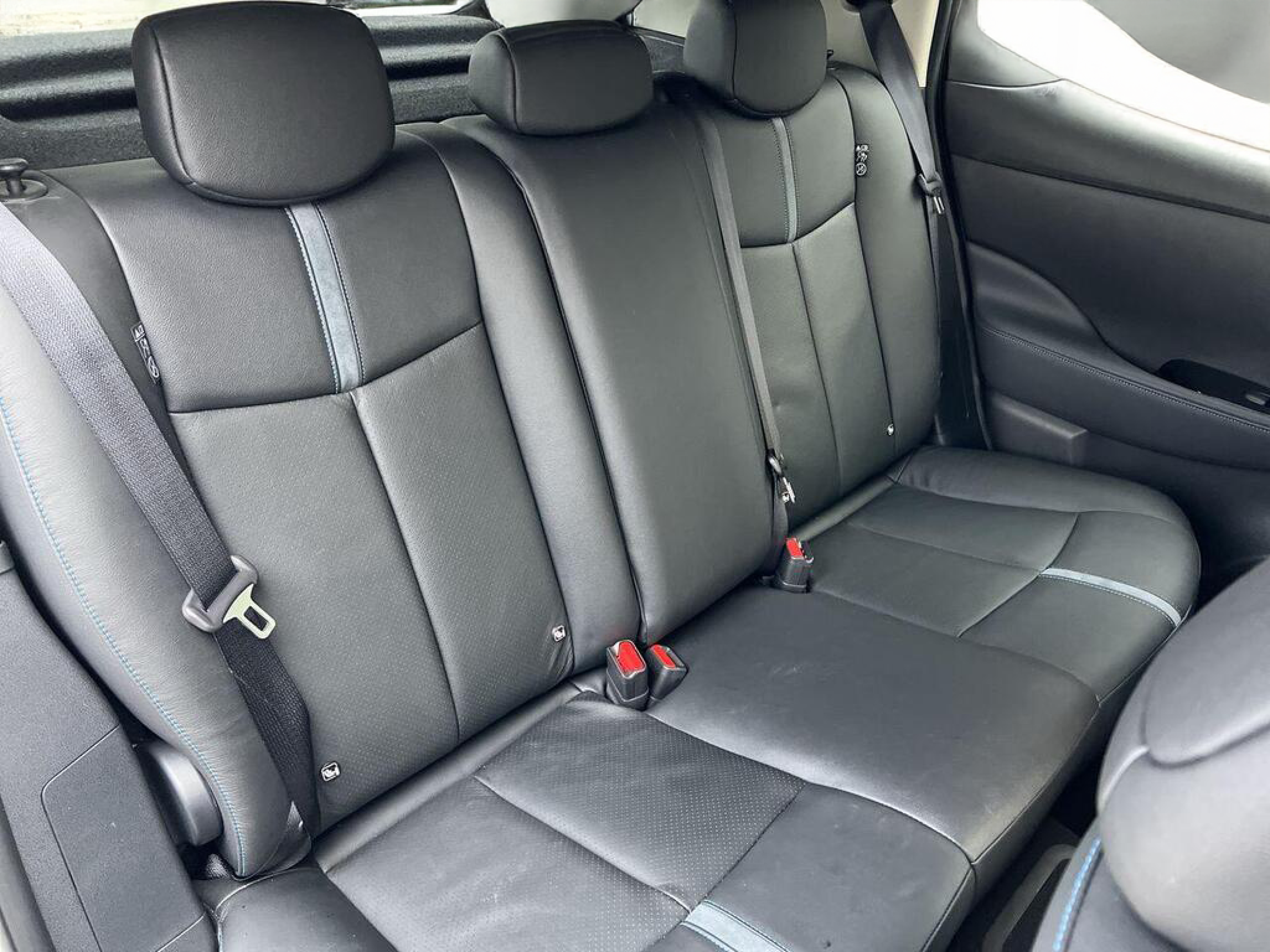
For a car that looks fairly ordinary, the Leaf is impressively accommodating. Its exterior dimensions make it easy to manoeuvre in towns and car parks but the interior space feels genuinely family-friendly. Rear passengers enjoy plenty of legroom and headroom and the flat floor helps the cabin feel open and usable.

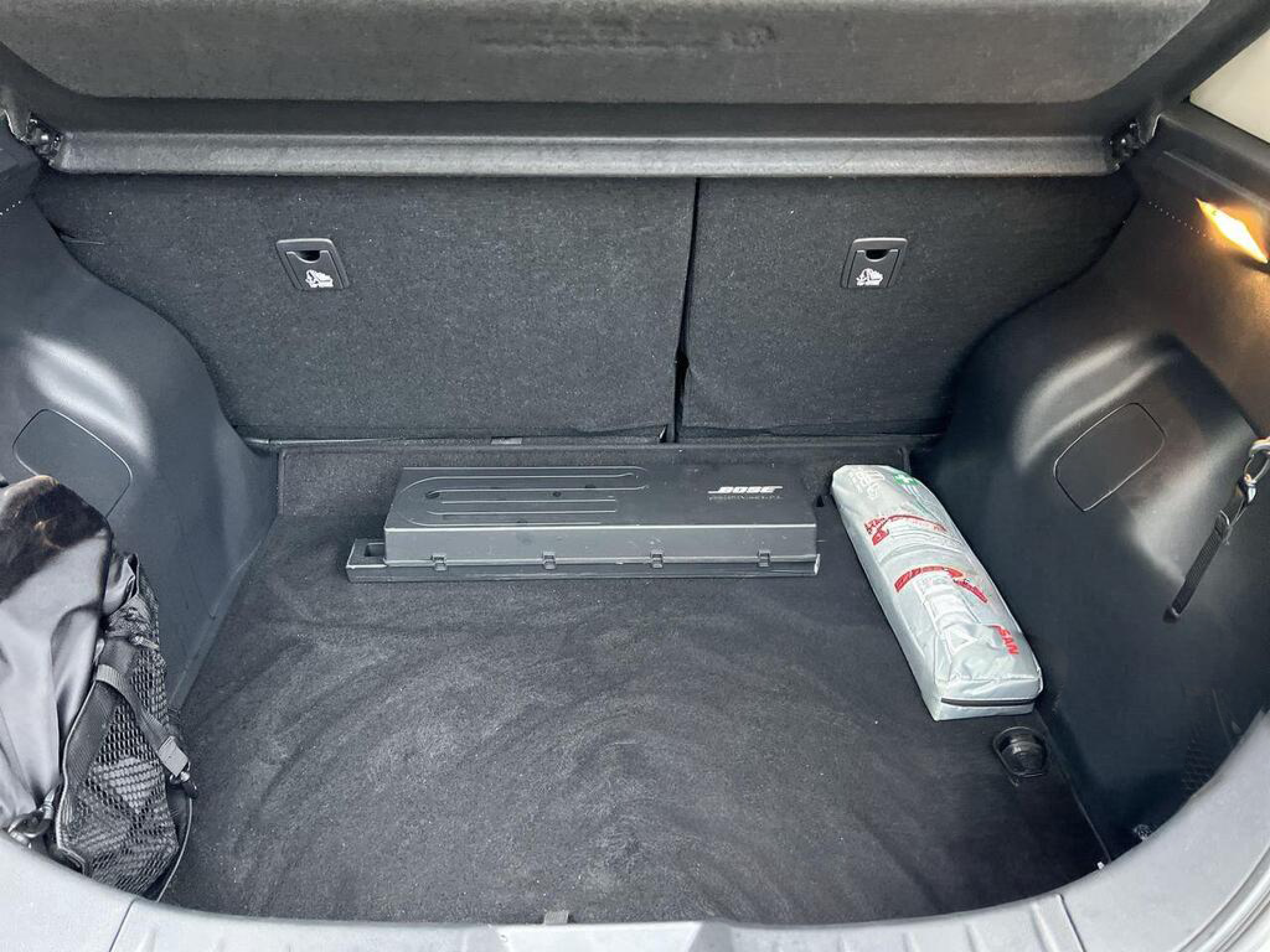
The boot measures around 435 litres, which places it comfortably among the more practical electric hatchbacks. It’s wide, square and easy to load, swallowing pushchairs, shopping and luggage without fuss. Folding the rear seats creates a flat, usable load area capable of handling larger items with ease.

Everyday usability is where the Leaf truly excels. Doors open wide, child seats fit without drama and visibility makes parking refreshingly straightforward. It’s a car that fits around busy lives rather than asking them to adapt.

Safety & Reliability

Safety has always been a Leaf strong point. Across the range, Nissan equipped the car with a comprehensive suite of driver-assistance systems, including autonomous emergency braking, adaptive cruise control and lane-keeping support. Crucially, these systems are well calibrated, helpful without being intrusive.

Reliability is perhaps the Leaf’s most quietly impressive trait. Owners consistently report few serious issues and the electric drivetrain has proven robust over long periods. Battery degradation does occur but it tends to be gradual and predictable, particularly on later models.

For used buyers, this matters enormously. The Leaf has earned a reputation as an EV you can trust, one that starts every morning, behaves consistently and doesn’t spring unpleasant surprises.

Final Thoughts

The second generation Leaf didn’t try to be exciting and it never tried to be clever for the sake of it. Instead, Nissan spent seven years doing something far less glamorous and far more impressive: making an electric car that simply works. The result is a mature, confidence-inspiring hatchback that slips into everyday life without fuss or fanfare.

It won’t turn heads and it won’t impress anyone who reads spec sheets for fun. What it will do is make ownership feel easy, calm and strangely satisfying. In an era of cars desperate to be noticed, the Leaf’s refusal to shout might be its smartest move of all.

Select a model below for full specifications.

Title Order Engine Power Order 0-60 Order Electric Range Order Price New Order Battery Capacity Order
Acenta 40kWh auto 5d 147 bhp 7.6 s 168 Miles £31,495 40 kWh
N-Connecta 40kWh auto 5d 147 bhp 7.6 s 168 Miles £30,495 40 kWh
Tekna 40kWh auto 5d 147 bhp 7.6 s 168 Miles £31,995 40 kWh
Acenta 150PS [6.6kW On-board charger] auto 5d 147 bhp 7.6 s 168 Miles £28,495 40 kWh
Visia 40kWh auto 5d 147 bhp 8.3 s N/A £27,290 40 kWh
2.Zero ProPilot & Cold Pack auto 5d 147 bhp 8.3 s N/A £31,990 40 kWh
e+ 3.Zero 217PS 62kWh auto 5d 213 bhp 7.1 s N/A £40,295 62 kWh
3.Zero 150PS 40kWh auto 5d 147 bhp 7.6 s N/A £34,595 40 kWh

Help other car buyers by reviewing your car

Help fellow drivers make informed decisions by sharing your ownership experience. Tell us how your car performs in the real world - what you love, what you don't, and whether it's worth the money.

Login

Vehicle Information Disclaimer

Vehicle specifications, pricing information and technical data shown on this page are provided for general informational purposes only. Specifications, features and prices may change over time and may vary by market, model year, trim level or optional equipment. Electric vehicle range figures and fuel economy estimates may be based on manufacturer data or standardised testing procedures and may differ from real-world results. While www.vehiclecarcheckreviews.com makes reasonable efforts to ensure information is accurate, Adverglow Ltd does not guarantee the completeness or accuracy of vehicle data. Users should verify all vehicle specifications and pricing directly with manufacturers or authorised dealers before making purchasing decisions.

×