


Back to Search Results

VOLVO, EX30 (Latest Model)

Rating 4.5

4.5

At a Glance

Price New
£33,060 - £47,060
Insurance Group
35 - 41
Fuel Type
Electric
Range
201 - 209 Miles - 287 - 296 Miles
Engine Power
268 bhp - 422 bhp
Number of Doors
5
Recommended Trim Level
EX30 Single Motor Extended Range Plus

Why it's great

Pro
Impressively quick and agile for such a compact EV
Pro
Distinctive, modern interior that feels genuinely different
Pro
Strong value for a premium badged electric car

What could be better

Con
Rear space is limited for taller passengers
Con
Firm ride on poor urban surfaces
Con
Single screen layout won’t suit traditionalists

The Volvo EX30 is proof that being small doesn’t mean thinking small. When it arrived in 2024, it didn’t just become Volvo’s most affordable electric car, it quietly became one of the most interesting. Not because it chased range records or performance bragging rights but because it understood something many EVs still don’t: most people don’t want a spaceship, they want a car that fits into their lives.

This is the first Volvo in a long time that feels intentionally compact rather than accidentally constrained. The EX30 isn’t a shrunken SUV pretending to be something bigger. It’s a city-scale electric car designed for modern roads, modern parking spaces and modern expectations, yet still infused with that familiar Volvo sense of calm and safety first thinking.

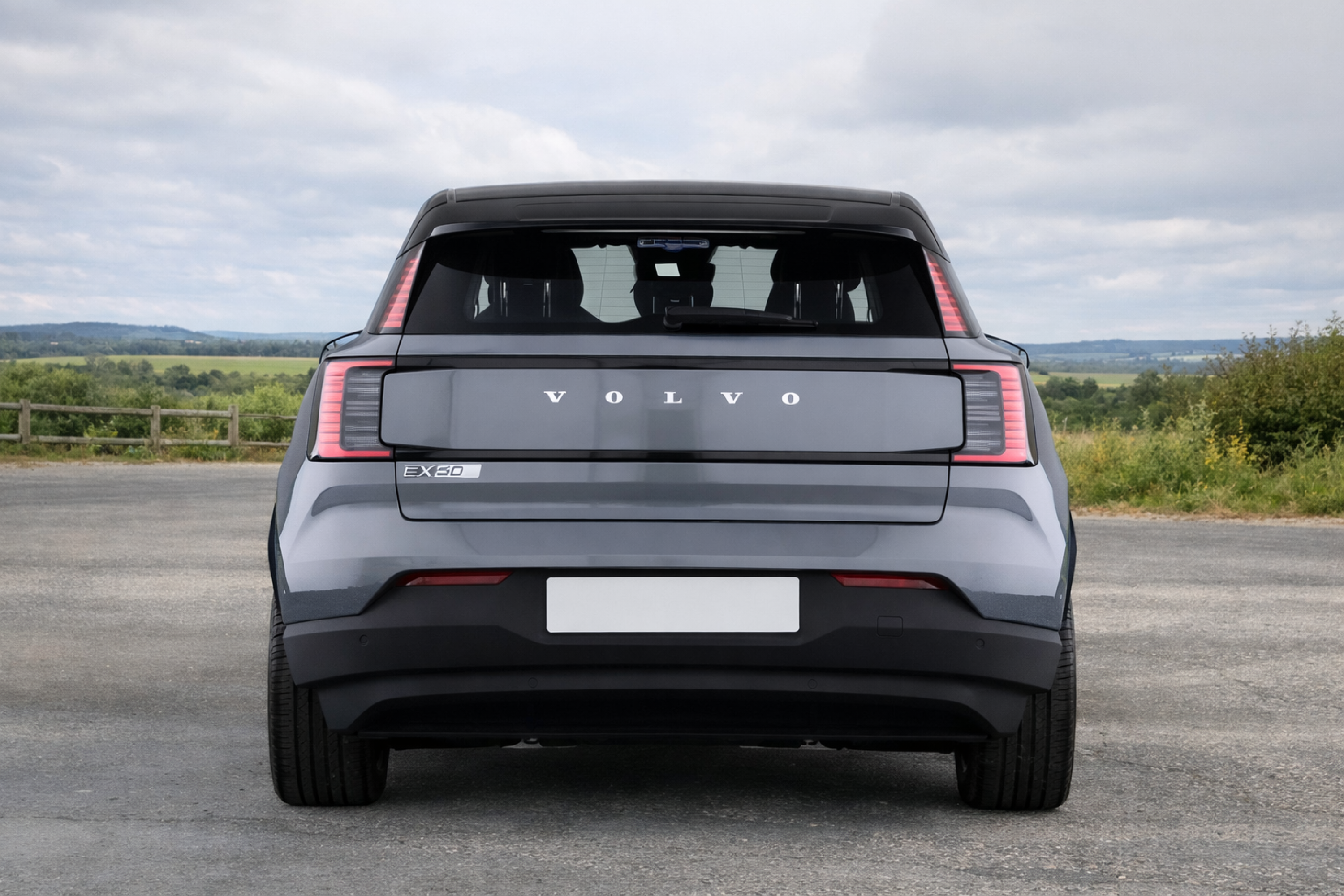
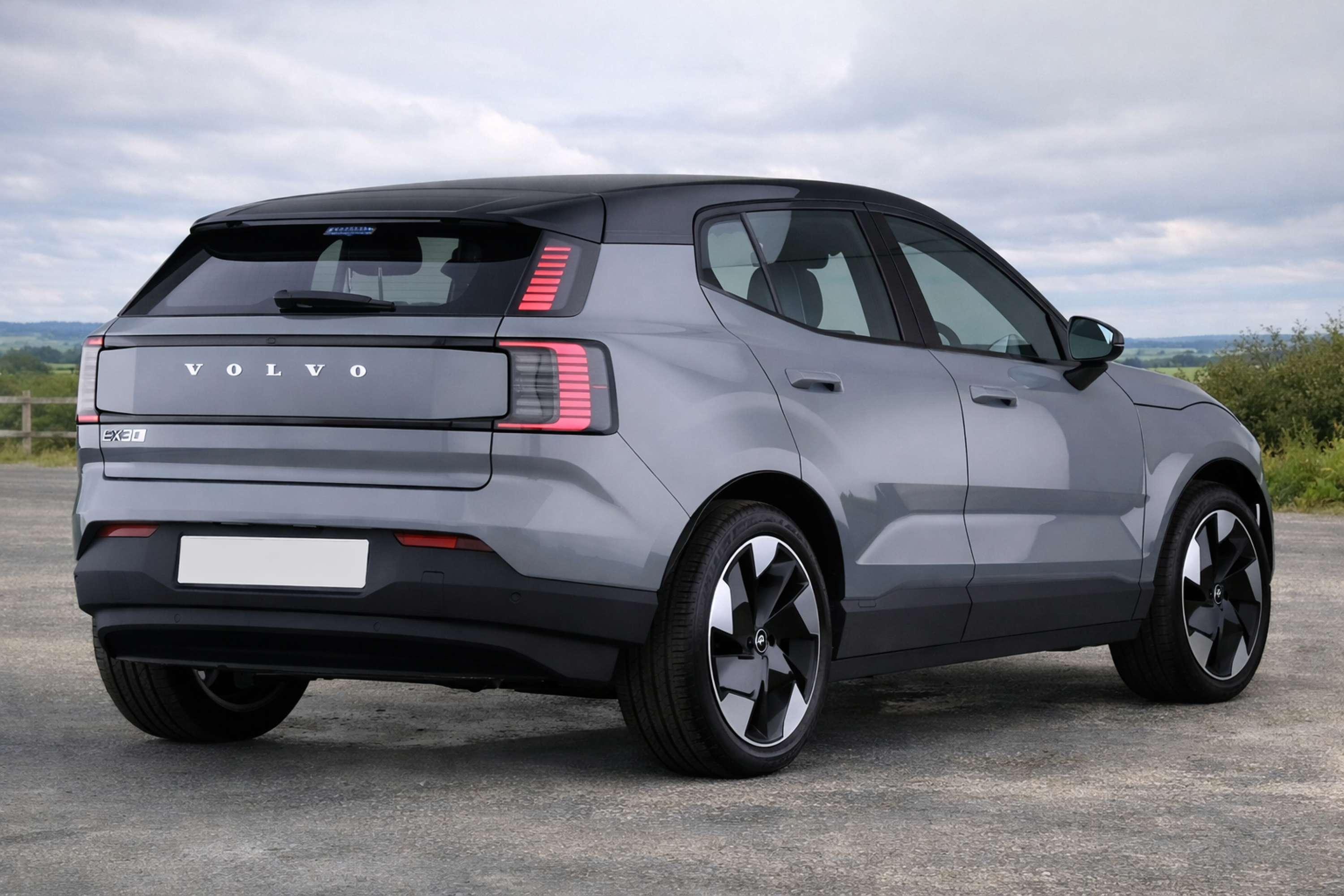
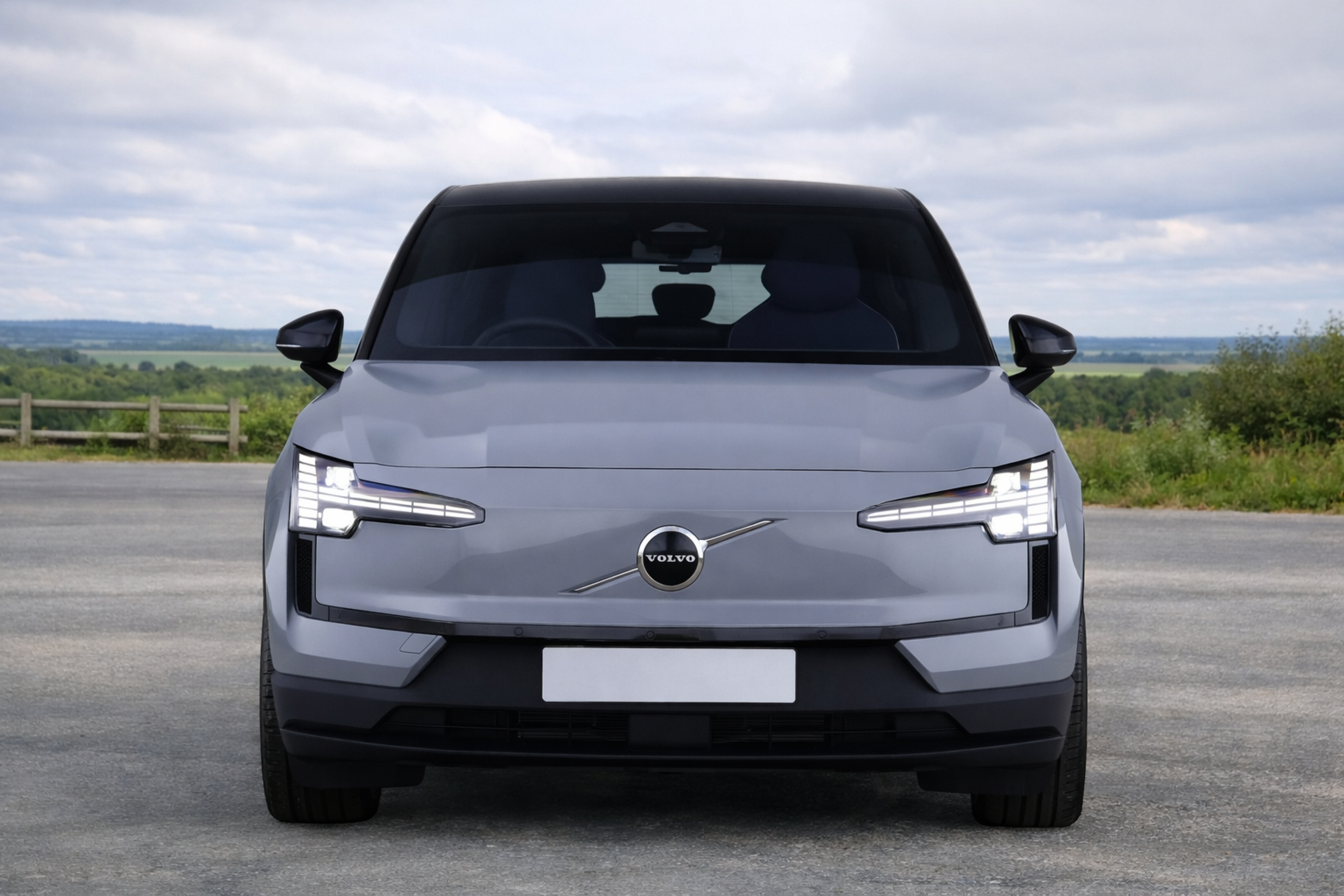
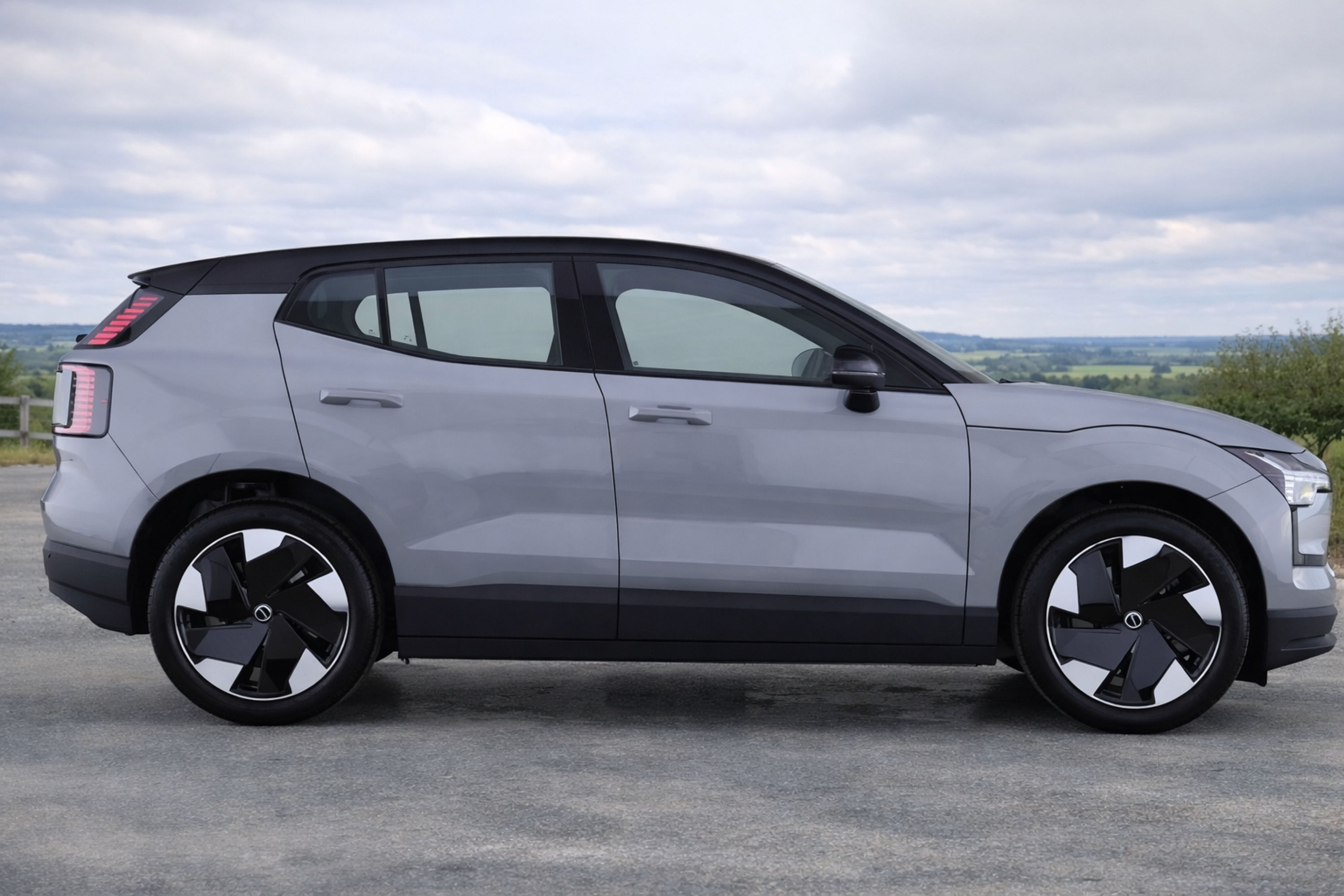
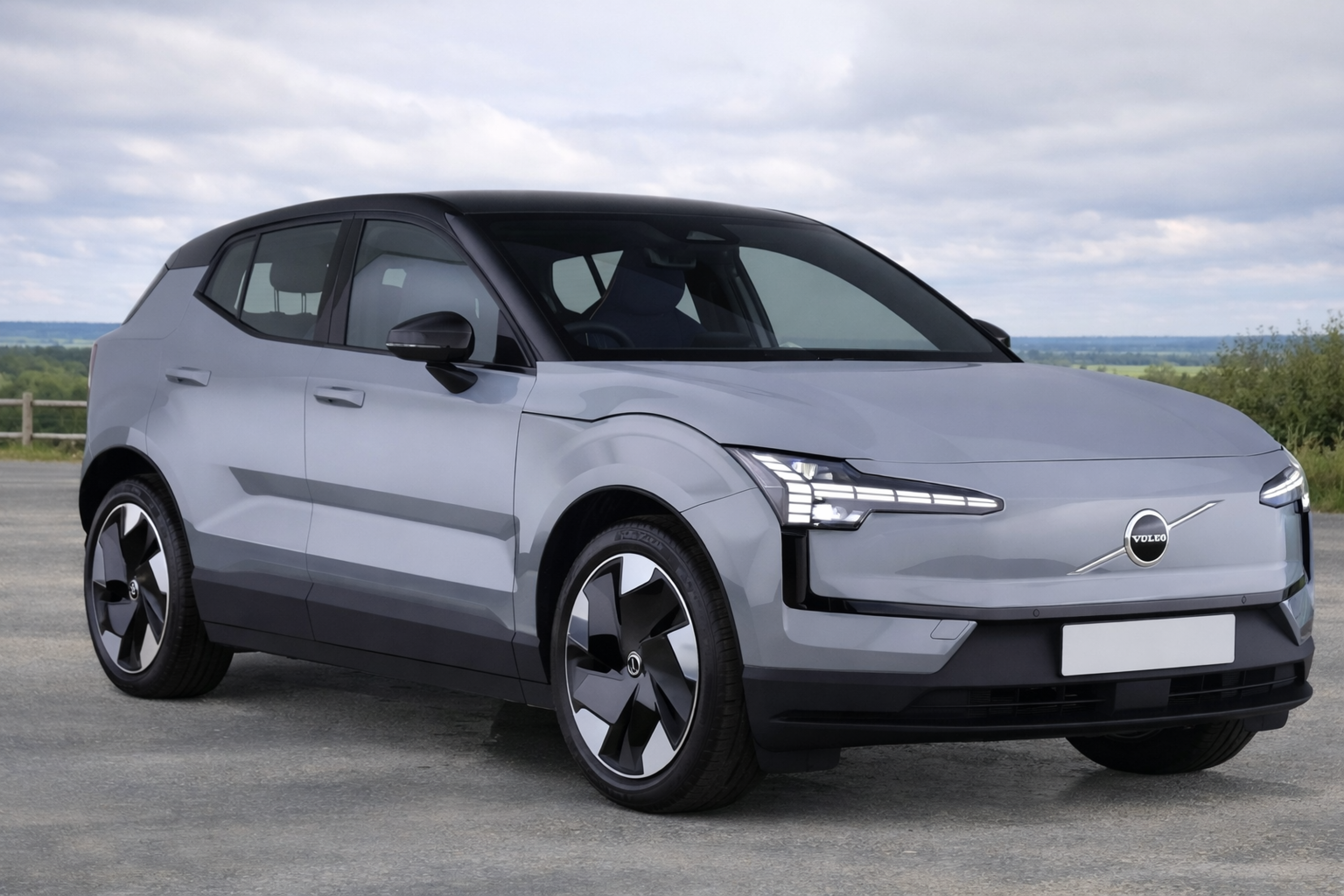
What stands out is how complete the EX30 feels. From the outside it looks clean and well proportioned, not small or toy-like. Behind the wheel it feels stable and settled, rather than like a car making compromises. The EX30 doesn’t try to hide its compact size, it makes the most of it, offering a clear alternative in a market dominated by ever larger electric crossovers.

Check Your Vehicle

Get a Complete Car History Check You Can Trust

We check more! Our reports contain over 85 data points so you get complete peace of mind.

Enter your vehicle registration number

UK

Prices, Engines & Trim Levels

Part of the EX30’s appeal is how decisively it undercuts the idea that premium electric cars must be expensive. As of 2025, the EX30 range starts at around £33,000, placing it well below many similarly badged rivals while still feeling distinctly upmarket.

The entry point is the Single Motor version, which pairs a smaller battery with rear-wheel drive. It’s brisk, responsive and clearly aimed at urban drivers who want electric performance without paying for more range than they’ll realistically use. It’s also the version that feels the most engaging at lower speeds, helped by its lighter weight and compact footprint.

Step up to the Single Motor Extended Range, priced from roughly £37,000–£38,000 and the EX30 becomes far more versatile. The larger battery transforms it from a city-first EV into something that can handle longer motorway journeys with confidence. This version feels like the most balanced version, not because it ticks boxes but because it removes the few limitations the base car has without changing its character.

At the top sits the Twin Motor Performance model, with prices pushing beyond £42,000. This version is startlingly quick for a car of this size, delivering acceleration that borders on absurd in urban settings. It’s impressive, certainly but also slightly indulgent. The extra power and traction come at the cost of range and ride comfort, making it more of a statement than a necessity.

Trim levels — Core, Plus and Ultra — shape the experience rather than redefine it. Higher trims bring better materials, more driver assistance and improved audio but the EX30’s personality remains consistent throughout: compact, confident and deliberately modern.

Interior

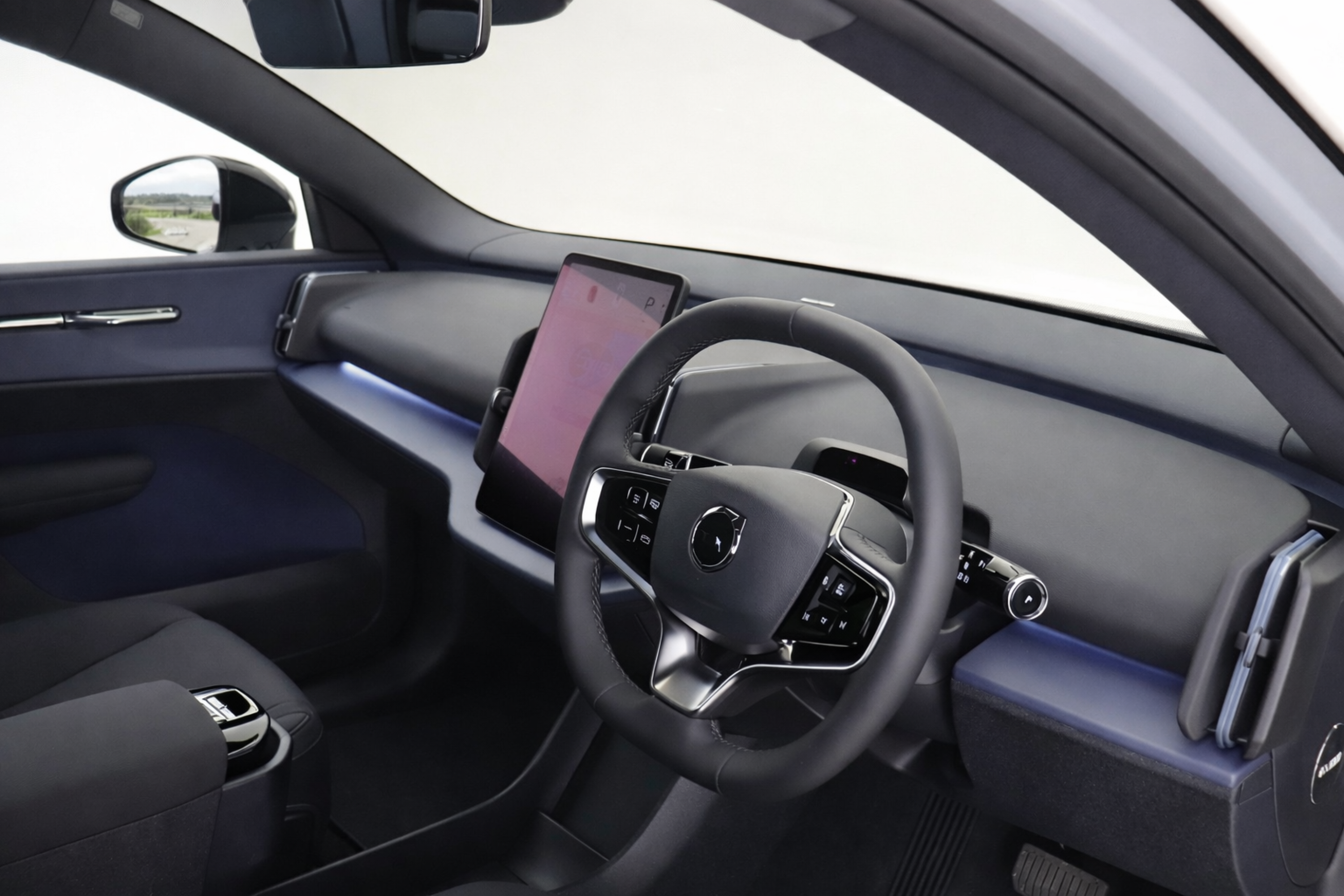
Inside, the EX30 feels like Volvo quietly starting a new chapter. The cabin is minimalist, yes but it’s not cold or clinical. Instead, it has a warm, almost domestic feel, helped by clever material choices and a layout that feels intentional rather than stripped back for effect.

The most obvious talking point is the single central screen, which replaces both the infotainment display and the traditional driver’s instrument cluster. This will divide opinion. Some will miss having speed and navigation directly ahead, while others will appreciate the uncluttered sightline and simplicity. After a short adjustment period, the layout starts to make sense, information is always visible and the interface is clean and responsive.

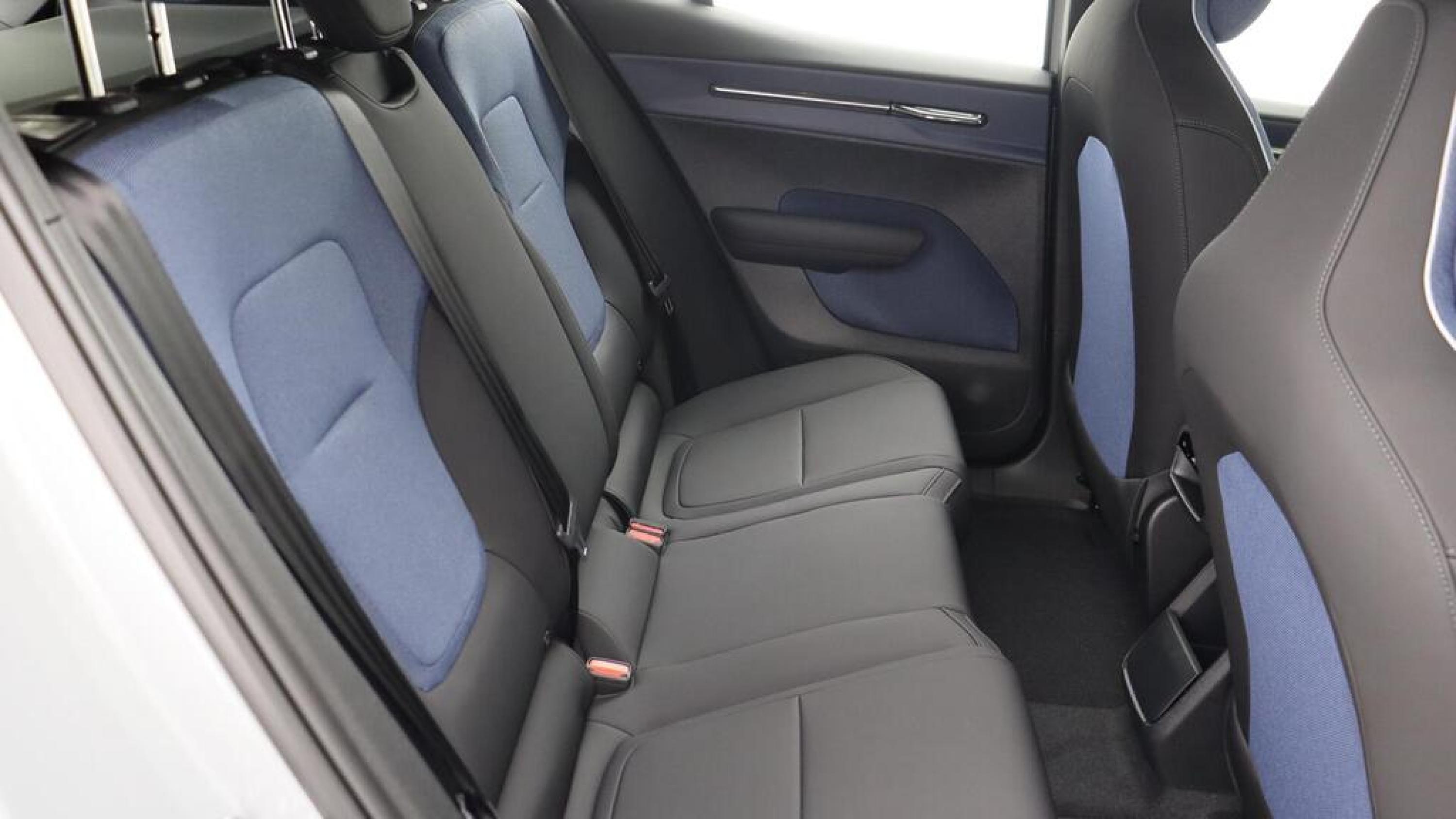
Volvo’s use of recycled and sustainable materials is more than a marketing exercise here. Fabrics feel textured and interesting, surfaces feel solid and the overall ambience is calm without being dull. The seats are comfortable and supportive, particularly in the front and the driving position feels natural despite the EX30’s compact dimensions.

Rear space is the EX30’s most obvious compromise. Adults fit but taller passengers will notice limited legroom and headroom on longer journeys. This is a car designed primarily around front seat occupants, with rear seats best suited to children or occasional adult use.

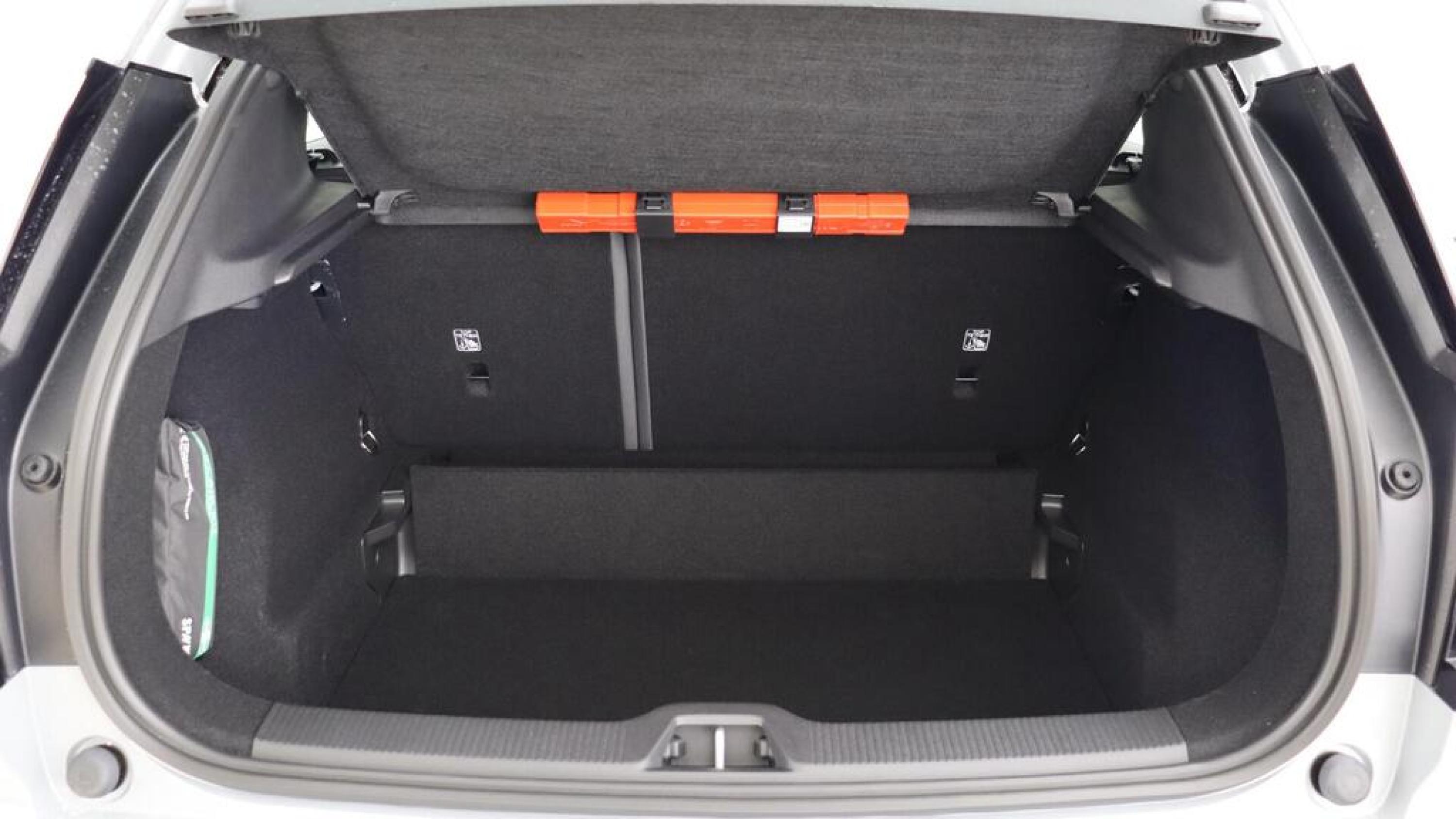
Clever storage solutions help make the most of the space that is available. Door bins are larger than expected, the central console is neatly arranged and the soundbar setup frees up room where traditional speakers would sit. The boot is modest but usable and folding the rear seats extends practicality enough for weekend trips.

Driving Experience

From the moment you pull away, the EX30 feels alert and eager. Even in its mildest form, acceleration is immediate and confident, making town driving feel effortless. It darts into gaps, responds quickly to throttle inputs and feels far more energetic than its size might suggest.

Steering is light but accurate, perfectly suited to urban environments. The EX30 feels easy to place on narrow streets and in tight parking spaces and the low battery placement helps keep body movements controlled through corners. It’s not a car that encourages enthusiastic back road driving but it’s more composed than many small SUVs when the road begins to twist.

Ride quality is where its size occasionally shows. On smooth roads, the EX30 is quiet and settled. On rougher urban surfaces, particularly with larger wheels, it can feel firm. Short, sharp bumps are more noticeable than in larger Volvos, though this never tips into discomfort, it simply reminds you that this is a compact car with a short wheelbase.

The Twin Motor version changes the tone entirely. Acceleration becomes dramatic, almost comical at low speeds and traction is unwavering. It’s undeniably impressive but it also feels slightly out of character, as though the EX30 is happiest being quick rather than fast.

Overall, the EX30 drives exactly as it looks: compact, confident and quietly capable.

Running Costs

Running costs are one of the areas where the EX30 quietly proves its value. Its compact size and relatively low weight give it a natural efficiency advantage and in everyday use that translates into fewer charging stops and lower energy consumption than many larger electric SUVs.

In real world conditions, the Single Motor Extended Range version typically delivers a range that comfortably covers daily commuting, errands and longer motorway journeys without constant planning. Short urban trips barely register on the battery gauge, while longer runs feel achievable rather than optimistic. Cold weather does reduce efficiency, as it does with all EVs but the impact is manageable rather than disruptive.

Charging behaviour suits the EX30’s intended lifestyle. On rapid chargers, it replenishes quickly enough to make mid-journey stops feel brief rather than burdensome. More importantly, home charging fits seamlessly into daily routines. Plugging in overnight easily restores the battery for the next day, making the EX30 feel more like a device you recharge than a car you refuel.

Servicing requirements are minimal. With fewer moving parts than a combustion vehicle, there’s little mechanical wear to worry about and regenerative braking significantly reduces brake wear. Insurance costs remain reasonable for the class, particularly for rear-wheel-drive versions, while the Twin Motor Performance model carries higher premiums due to its pace and replacement values.

Taken together, the EX30 offers a running cost profile that makes sense not just on paper but in lived experience. It doesn’t demand lifestyle changes or careful planning, it simply slots into everyday use with minimal friction.

Practicality & Size

The EX30’s dimensions are one of its most defining traits and crucially, one of its biggest strengths. It feels sized for real roads and real parking spaces, particularly in towns and cities where larger SUVs can quickly become cumbersome.

From the driver’s seat, visibility is good, helped by a slightly elevated seating position and large glass areas. Manoeuvring through tight streets or squeezing into small parking bays feels natural rather than tense. This is a car you place with confidence rather than caution.

Inside, the front cabin feels more spacious than the exterior suggests. There’s ample headroom and shoulder room and the minimalist dashboard design enhances the feeling of openness. Storage is cleverly distributed, with door bins and console compartments making everyday items easy to stow without cluttering the cabin.

Rear seating is more constrained and this is where the EX30’s compact footprint becomes most apparent. Adults fit comfortably for shorter journeys but legroom and headroom are limited compared with larger SUVs. For families with younger children or occasional rear passengers, this won’t pose an issue. For regular adult use in the back, it’s a compromise worth noting.

Boot space is modest but well shaped. It handles shopping, luggage and daily tasks without complaint and folding the rear seats expands its usefulness significantly. While it won’t rival larger family EVs for outright capacity, it offers enough flexibility for most real-world scenarios.

Ultimately, the EX30’s practicality feels honest. It doesn’t promise more than it can deliver, and what it does deliver is well thought out and easy to live with.

Safety & Reliability

Safety is woven into the EX30’s identity rather than added as an afterthought. Volvo’s long standing reputation in this area is evident in both the car’s structure and its technology, with systems designed to support rather than overwhelm the driver.

Driver assistance features operate smoothly and predictably. Lane support, collision mitigation and adaptive cruise control intervene calmly, avoiding the abrupt or overprotective behaviour found in some rivals. The result is a sense of quiet reassurance rather than constant correction.

The car’s compact dimensions don’t compromise its sense of solidity. The battery is mounted low in the chassis, contributing to stability and predictable handling, while the overall structure feels rigid and well engineered. This inspires confidence, particularly on faster roads or in poor weather.

As a relatively new model, long term reliability data is still developing but Volvo’s experience with electrified platforms provides reassurance. The electric drivetrain itself is mechanically simple, reducing the number of components subject to wear and software updates allow improvements to be delivered over time rather than locked in at purchase.

Ownership is further supported by Volvo’s established dealer network and customer support, which remains a key advantage for buyers new to electric vehicles. The EX30 feels less like an experiment and more like a carefully considered step forward.

Final Thoughts

The Volvo EX30 works because it knows exactly what it is. It doesn’t try to be a family hauler, a performance showcase or a luxury flagship. Instead, it focuses on being a compact electric car that fits modern life better than most.

Its size, efficiency and pricing make it feel accessible, while its design and execution keep it firmly in premium territory. You notice the confidence in the way it’s put together, not flashy, not overworked, just considered.

If you want an EV that feels genuinely contemporary rather than simply electric, the EX30 makes a compelling case. It’s not trying to impress everyone. It’s trying to suit the people who will actually live with it and in that, it succeeds quietly and convincingly.

Select a model below for full specifications.

Title Order Engine Power Order 0-60 Order Electric Range Order Price New Order Battery Capacity Order
200kW Single Motor Core 51kWh 5dr Auto 268 bhp 5.5 s 201 - 209 Miles £33,060 51 kWh
200kW Single Motor Plus 51kWh 5dr Auto 268 bhp 5.5 s 201 - 209 Miles £35,160 51 kWh
200kW SM Extended Range Core 69kWh 5dr Auto 268 bhp 5.1 s 287 - 296 Miles £37,260 69 kWh
200kW SM Extended Range Plus 69kWh 5dr Auto 268 bhp 5.1 s 287 - 296 Miles £39,860 69 kWh
200kW SM Extended Range Ultra 69kWh 5dr Auto 268 bhp 5.1 s 287 - 296 Miles £43,360 69 kWh
315kW Twin Motor Performance Plus 69kWh 5dr Auto 422 bhp 3.5 s 277 - 280 Miles £42,360 69 kWh
315kW Twin Motor Performance Ultra 69kWh 5dr Auto 422 bhp 3.5 s 277 - 280 Miles £45,860 69 kWh
315kW TM Perf Cross Country Ultra 69kWh 5dr Auto 422 bhp 3.6 s 265 Miles £47,060 69 kWh

Help other car buyers by reviewing your car

Help fellow drivers make informed decisions by sharing your ownership experience. Tell us how your car performs in the real world - what you love, what you don't, and whether it's worth the money.

Login

Vehicle Information Disclaimer

Vehicle specifications, pricing information and technical data shown on this page are provided for general informational purposes only. Specifications, features and prices may change over time and may vary by market, model year, trim level or optional equipment. Electric vehicle range figures and fuel economy estimates may be based on manufacturer data or standardised testing procedures and may differ from real-world results. While www.vehiclecarcheckreviews.com makes reasonable efforts to ensure information is accurate, Adverglow Ltd does not guarantee the completeness or accuracy of vehicle data. Users should verify all vehicle specifications and pricing directly with manufacturers or authorised dealers before making purchasing decisions.

×