


Back to Search Results

VOLKSWAGEN, ID.4 (Latest Model)

Rating 4

4

At a Glance

Price New
£39,590 - £48,120
Insurance Group
23 - 39
Fuel Type
Electric
Range
222 Miles - 347 Miles
Engine Power
167 bhp - 281 bhp
Number of Doors
5
Recommended Trim Level
ID.4 Pro Match (77kWh) — the most balanced choice for range, comfort and value

Why it's great

Pro
Spacious, well packaged interior with strong family appeal
Pro
Comfortable ride that suits long UK journeys
Pro
Improved infotainment and usability in newer versions

What could be better

Con
Driving experience lacks sparkle compared with some rivals
Con
Cabin quality still trails premium alternatives
Con
Charging speeds are competitive rather than class-leading

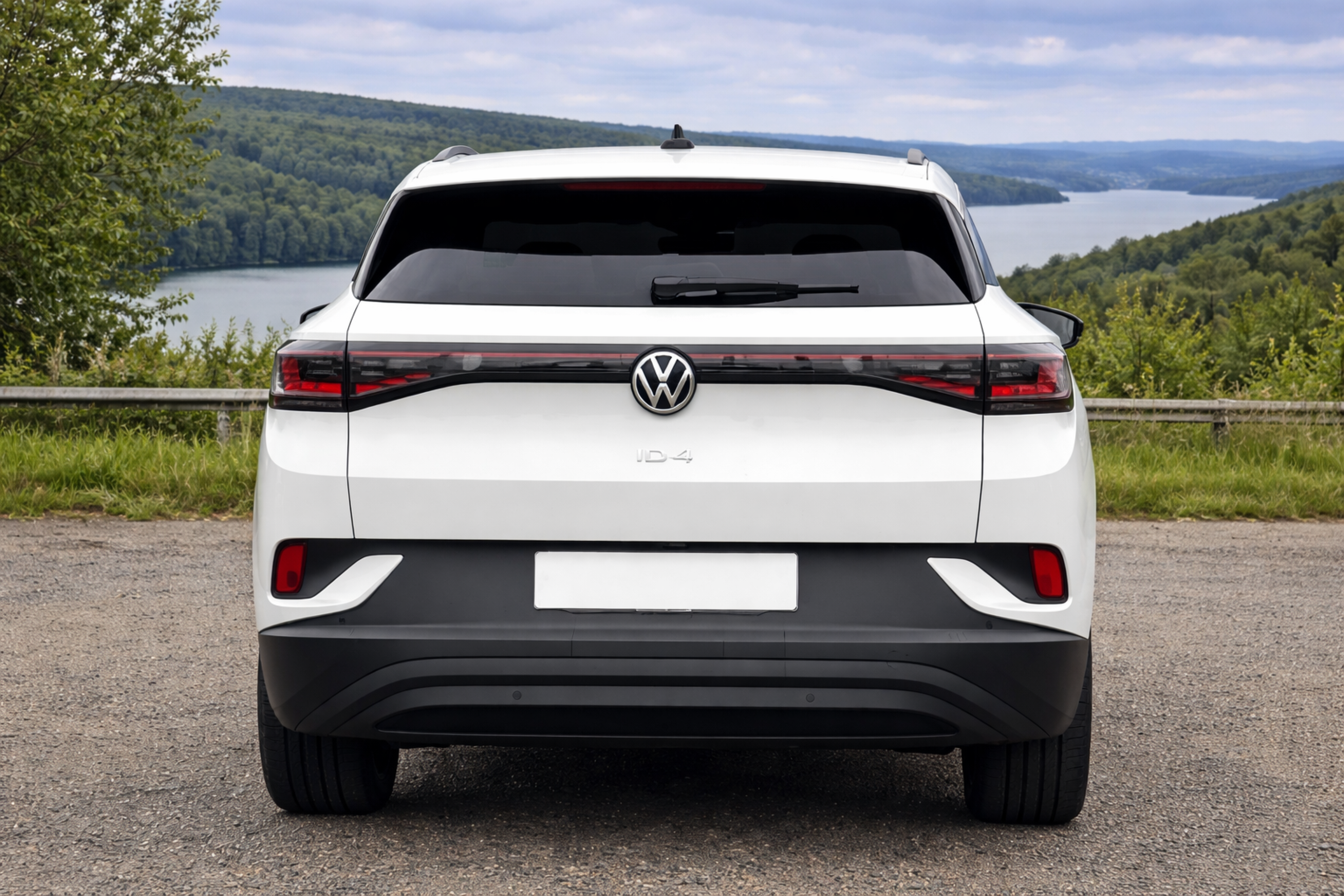
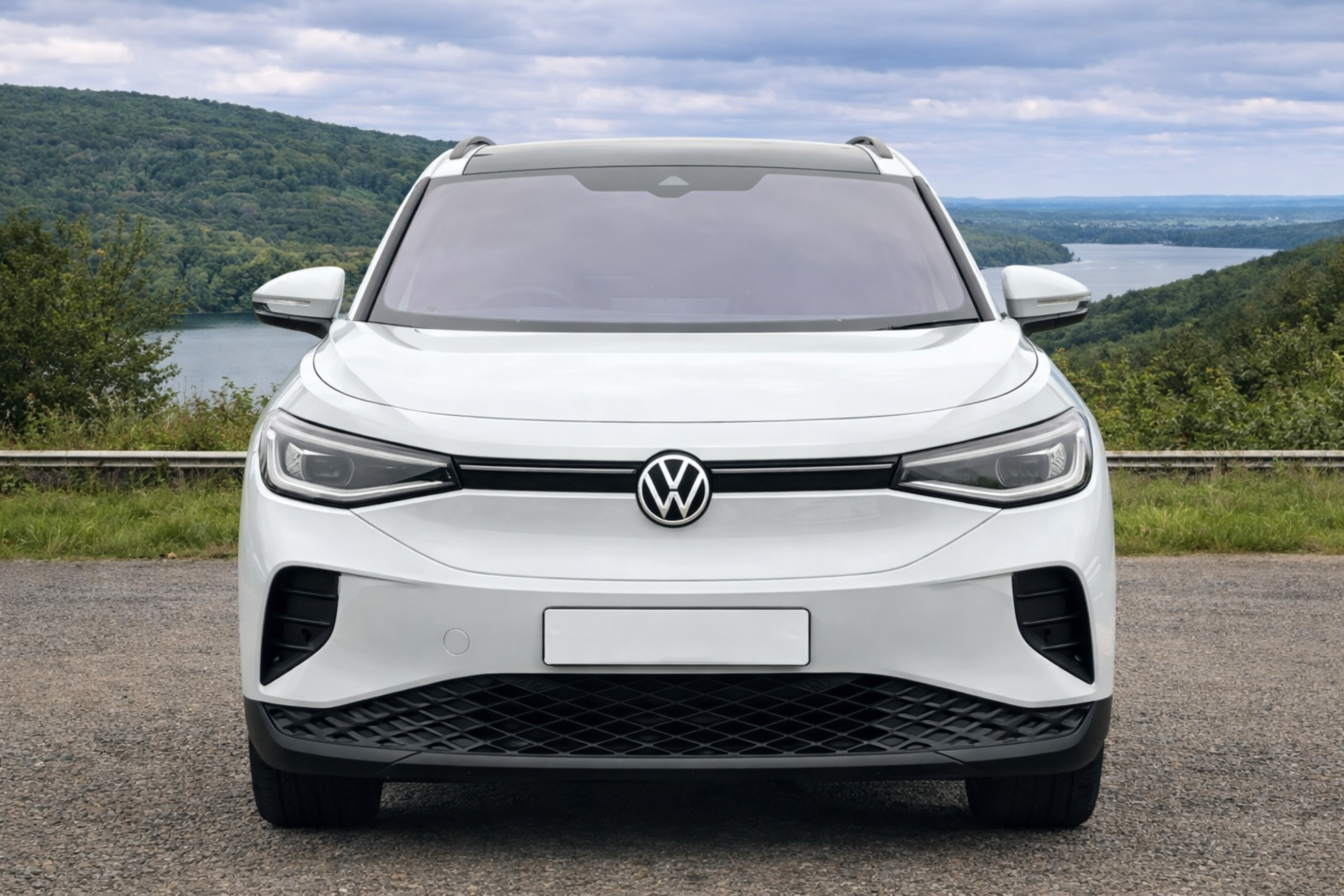
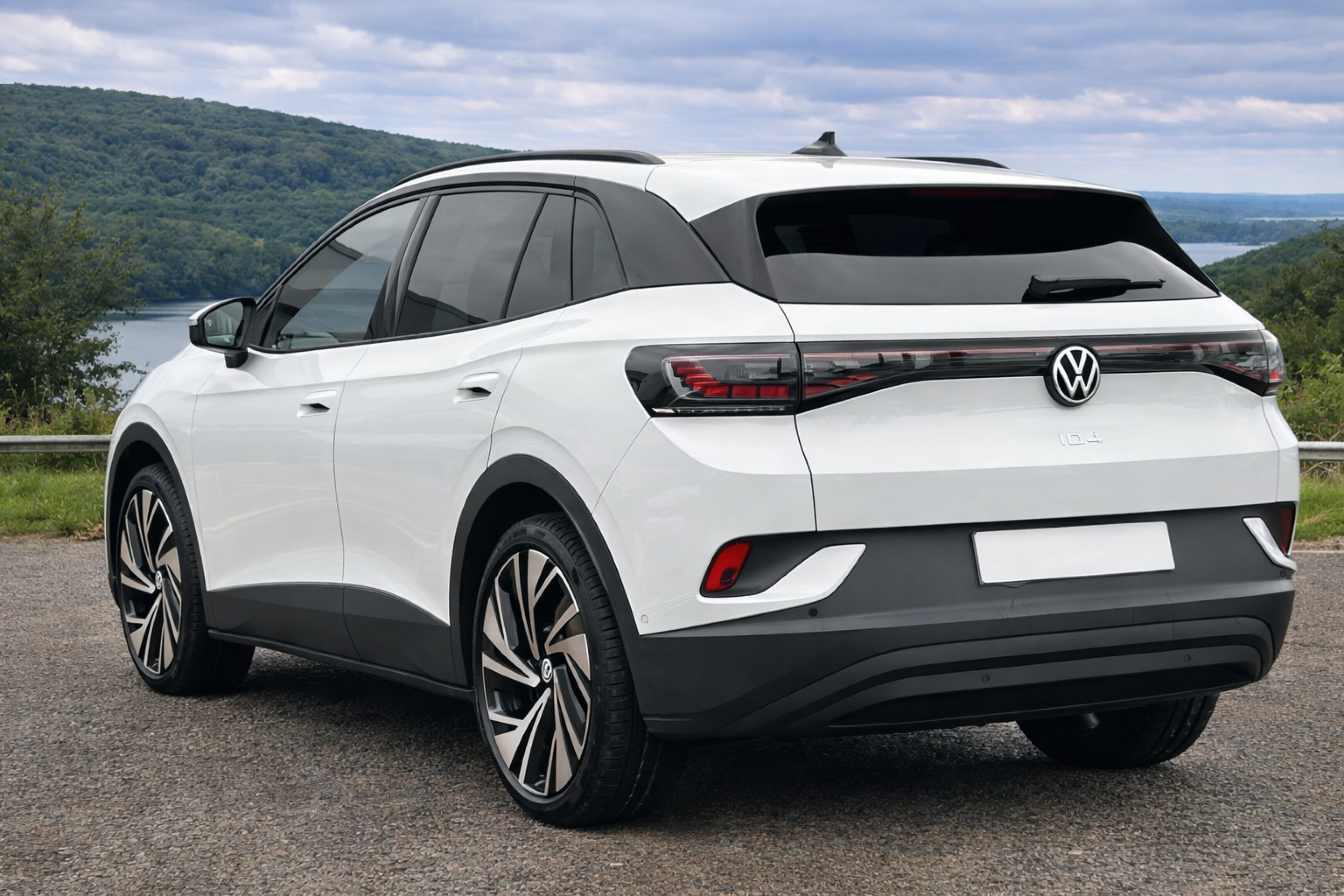
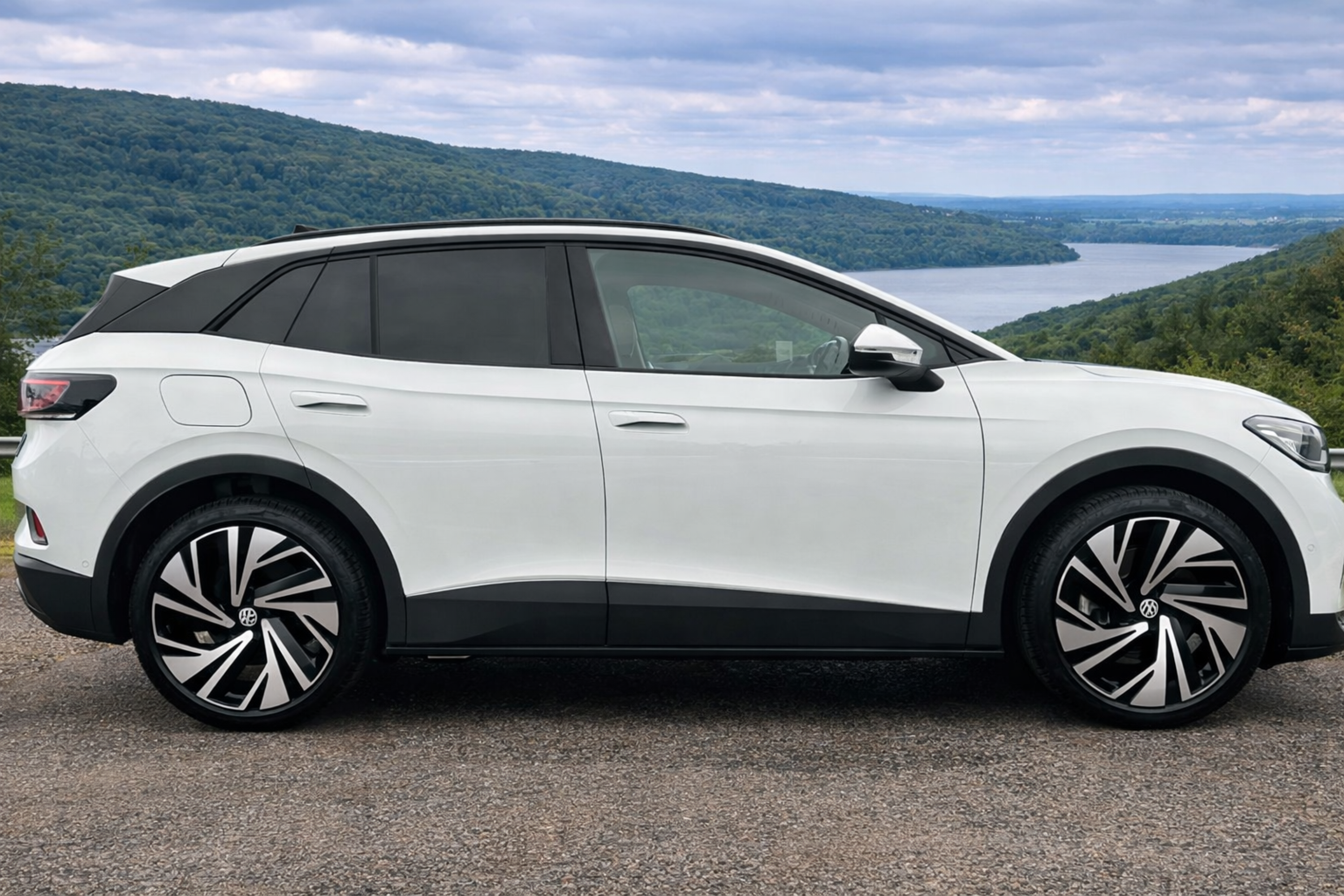
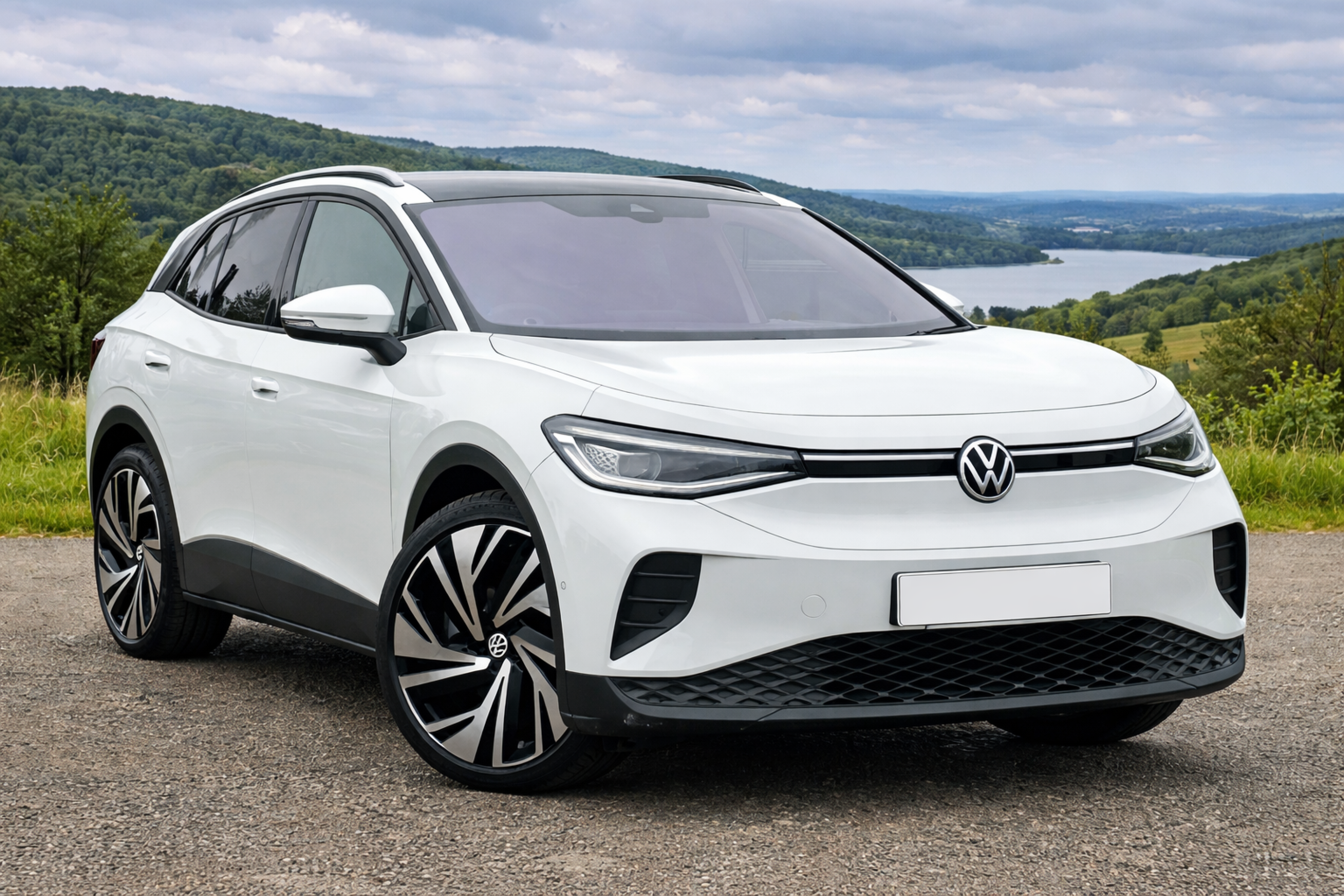
The Volkswagen ID.4 was never designed to be a disruptor. It wasn’t meant to shock, provoke or redefine what an electric SUV could be. Instead, it was conceived as something far more familiar, an electric equivalent to the Tiguan, built to ease mainstream buyers into EV ownership without demanding a change in mindset.

That approach explains both the ID.4’s success and its criticisms. For many drivers, it feels reassuringly normal. For others, it feels a little too safe. But that safety is intentional. The ID.4 is aimed squarely at families and company car drivers who want electric motoring to feel like a natural evolution rather than a leap into the unknown.

Since its original launch, the ID.4 has been steadily refined. Updates introduced in 2023 and 2024 focused on improving infotainment responsiveness, cabin usability and powertrain efficiency. These changes didn’t transform the car’s personality but they did address some of its early frustrations, particularly when compared with rivals like the Skoda Enyaq and Ford Mustang Mach-E, both of which felt more resolved from the outset.

The ID.4’s role today is clear: to be the calm centre of the electric SUV market, prioritising space, comfort and ease of ownership over drama.

Check Your Vehicle

Get a Complete Car History Check You Can Trust

We check more! Our reports contain over 85 data points so you get complete peace of mind.

Enter your vehicle registration number

UK

Prices, Engines & Trim Levels

In the UK, the Volkswagen ID.4 is positioned as a mid-market electric SUV with pricing that reflects its size and mainstream appeal. As of 2025, brand new ID.4 models typically start at around £40,000, with higher spec versions rising to £50,000 or more depending on battery size, drivetrain and trim.

The range revolves around two main battery options. The 52kWh models sit at the lower end of the price spectrum and are aimed at drivers who cover shorter daily distances. These versions prioritise affordability over long distance capability and are best suited to urban or suburban use.

The more popular choice is the 77kWh Pro, which delivers significantly stronger real-world range and motorway usability. Prices for this version usually begin around £45,000+, placing it directly against the Škoda Enyaq 85 and Hyundai Ioniq 5 Long Range. Among these, the ID.4 focuses more on comfort and familiarity than visual flair or tech forward presentation.

Volkswagen also offers GTX variants, which introduce dual motors and all-wheel drive. These versions push pricing closer to £52,000–£55,000 and aim to compete with sportier alternatives like the Mustang Mach-E AWD. However, while quicker, the GTX versions don’t radically change the ID.4’s relaxed character.

Trim levels such as Life, Match, Style and GTX influence equipment and presentation rather than core behaviour. Match trims tend to offer the best balance, adding useful technology and comfort features without inflating the price unnecessarily. Unlike some rivals, Volkswagen spreads key features fairly evenly, avoiding the sense that buyers are being forced into top trims to access essentials.

Interior

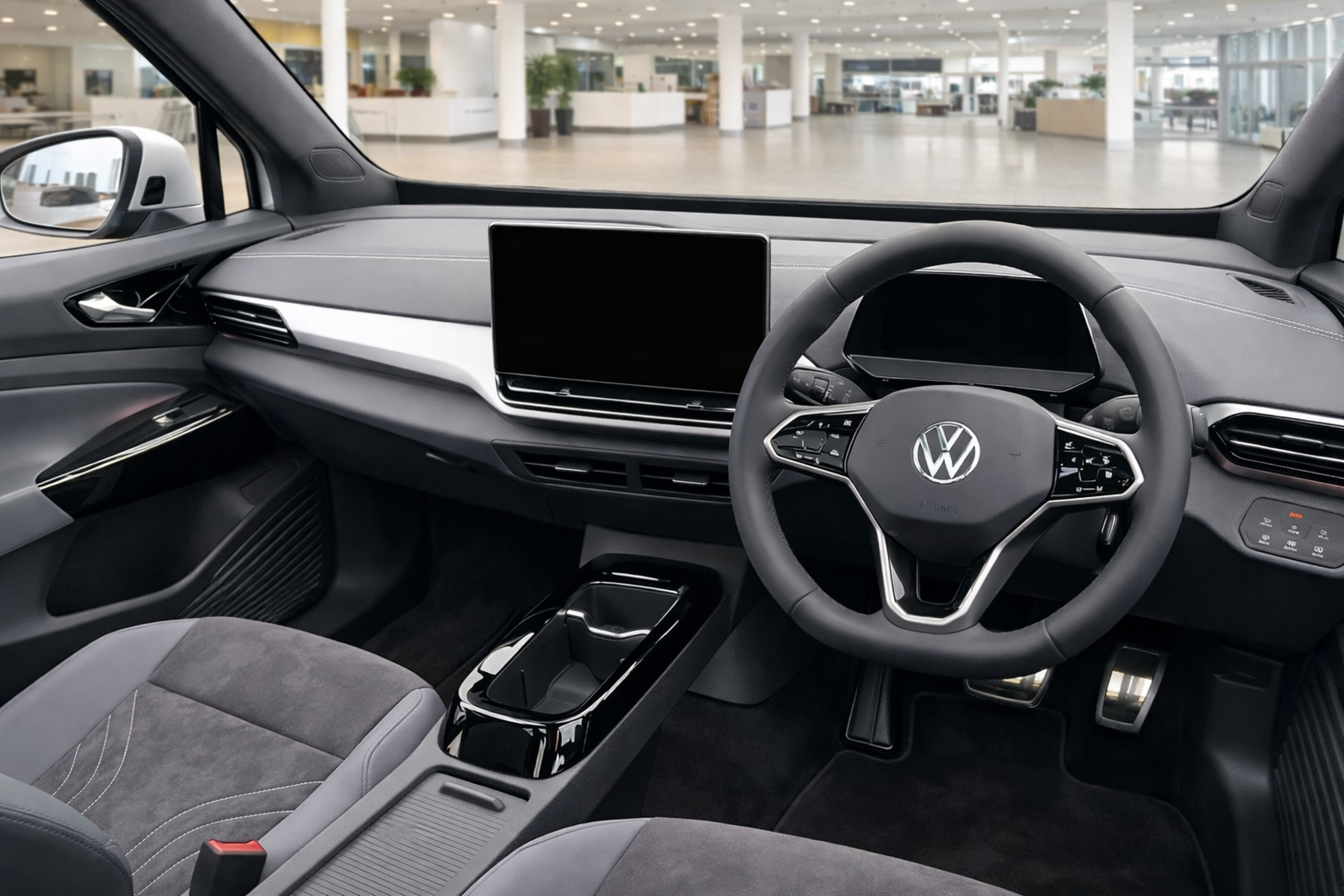
Inside, the ID.4 feels immediately familiar to anyone who has owned a Volkswagen before. The design is clean and modern but deliberately restrained. Where rivals like the Hyundai Ioniq 5 lean into concept car styling and the Tesla Model Y strips everything back to near emptiness, the ID.4 sits firmly in the middle.

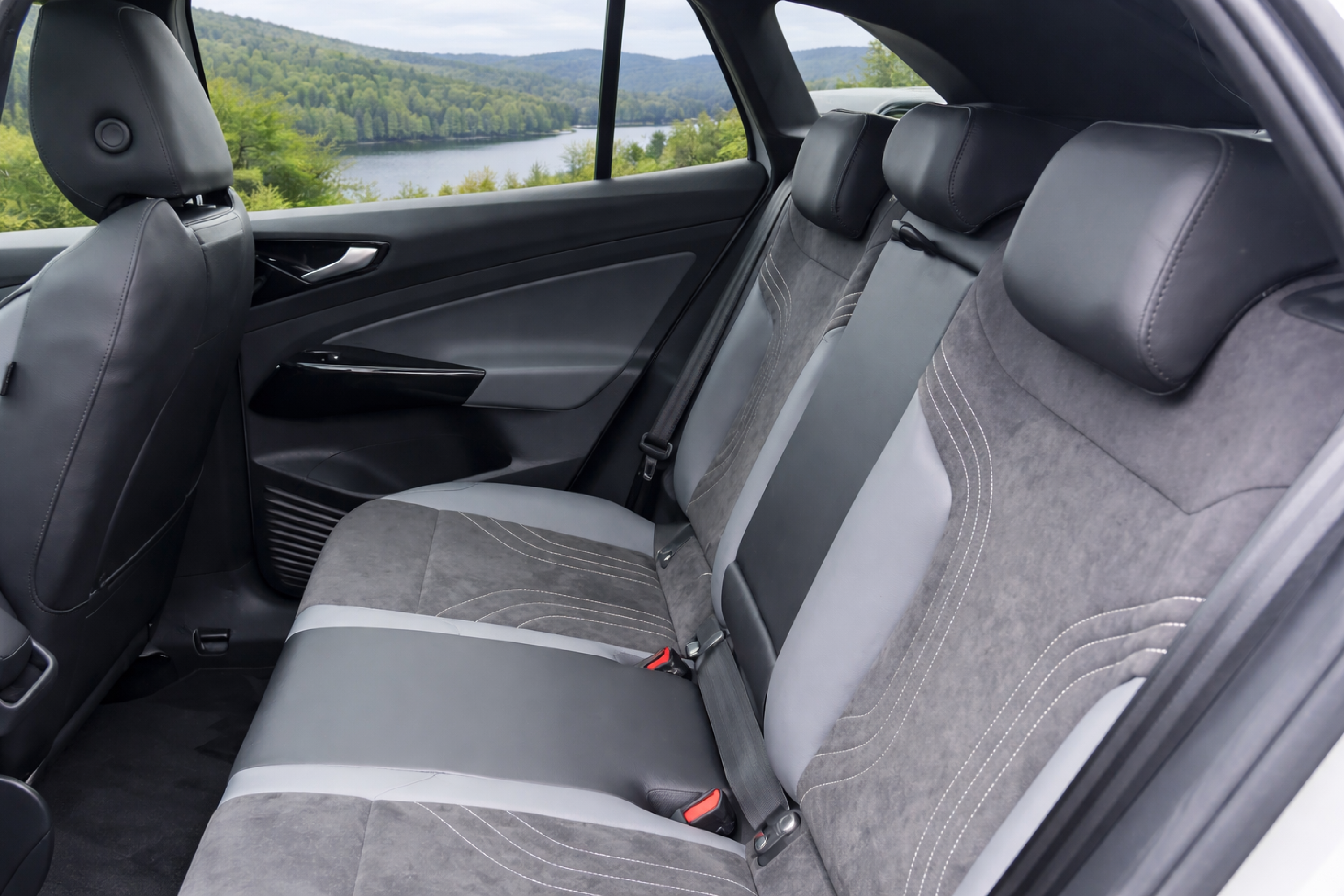
Space is one of its biggest strengths. The flat floor and long wheelbase create a cabin that feels open and accommodating, particularly in the rear. Compared with the Mustang Mach-E, rear legroom is noticeably better and headroom comfortably surpasses sleeker, coupe-style rivals.

Material quality is mixed. Upper surfaces feel solid and well finished but some lower plastics lack the richness you might expect at this price point ,an area where Audi’s Q4 e-tron feels more convincingly premium. That said, everything feels robust and designed to withstand family life rather than impress at first touch.

Technology has improved significantly since early models. The infotainment system in newer versions is quicker and more intuitive, addressing one of the ID.4’s biggest early criticisms. Physical buttons remain limited but the overall experience is now far less frustrating than before. While it still doesn’t feel as slick as Tesla’s interface, it’s no longer a reason to avoid the car.

Seating comfort is excellent. Front seats are supportive without being firm and long journeys pass without fatigue. Rear passengers benefit from generous space, making the ID.4 one of the most comfortable options in its class for families.

Driving Experience

On the road, the ID.4 behaves exactly as its design suggests: calm, measured and confidence inspiring. Acceleration is smooth rather than dramatic and while it’s quick enough for everyday use, it doesn’t deliver the immediate punch found in some rivals.

Steering is light and predictable, making the ID.4 easy to drive in town and stress free on longer journeys. It lacks the engagement of the Mustang Mach-E and the sharpness of the Kia EV6 but it compensates with stability and ease. This is a car that encourages relaxed driving rather than demanding attention.

Ride comfort is a standout feature. The ID.4 absorbs bumps and broken surfaces with composure, particularly on standard wheel sizes. Compared with the firmer ride of the Tesla Model Y, the ID.4 feels more forgiving on UK roads. At motorway speeds, it settles into a quiet, refined cruise, with good suppression of wind and road noise.

Handling is secure rather than entertaining. The low mounted battery keeps body roll under control but the ID.4 never feels eager to be pushed. GTX versions add traction and pace but even these remain more about confidence than excitement.

Overall, the ID.4 prioritises comfort and predictability, qualities that will matter far more to most owners than outright engagement.

Running Costs

In real-world use, the ID.4 delivers dependable efficiency. The 77kWh Pro typically achieves 260–300 miles on a full charge depending on conditions, placing it broadly in line with the Enyaq 85 and slightly behind the most efficient versions of the Model Y.

Charging speeds are competitive but not class-leading. On a rapid DC charger, the ID.4 supports speeds of up to around 135kW, allowing a 10–80% charge in roughly 30–35 minutes under ideal conditions. This is sufficient for comfortable long distance travel, though faster charging rivals like the Kia EV6 complete the same task more quickly.

Home charging via a 7kW wall box takes around 11–12 hours for a full charge, fitting neatly into overnight routines. For drivers with access to off-peak tariffs, running costs remain significantly lower than equivalent petrol or diesel SUVs.

Servicing requirements are minimal and regenerative braking reduces wear on traditional components. Insurance costs are in line with class expectations, particularly for non-GTX versions.

Practicality & Size

The ID.4’s dimensions place it squarely in the family SUV sweet spot. At around 4.6 metres long, it offers strong interior space without feeling unwieldy on UK roads.

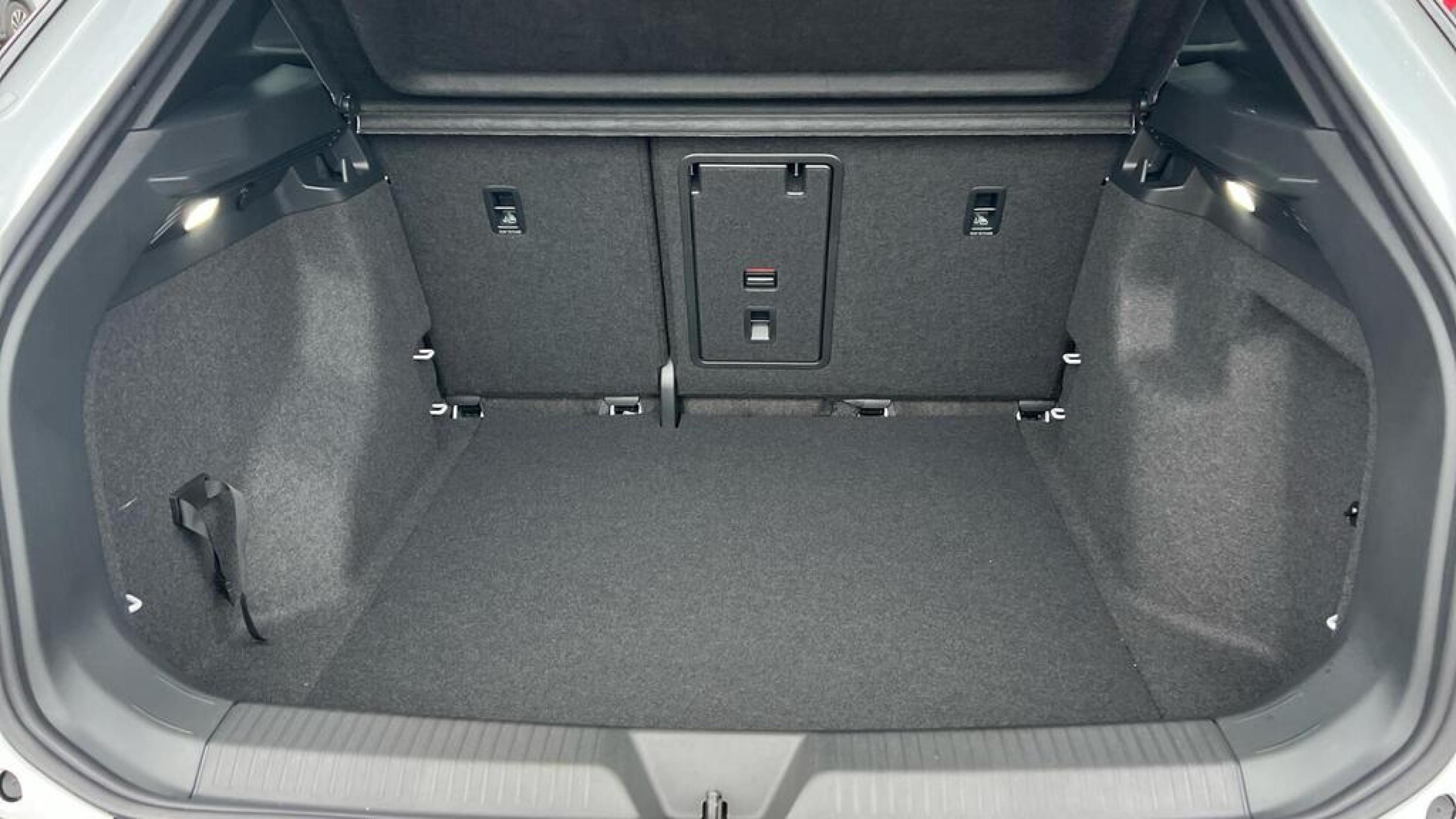
Boot capacity stands at 543 litres, comfortably outgunning the Mustang Mach-E and matching closely with the Škoda Enyaq. Folding the rear seats expands capacity significantly, making the ID.4 well suited to family holidays, DIY runs or sports equipment.

Rear seat accommodation is excellent, with plenty of legroom and headroom for adults. Wide opening doors and accessible Isofix points make fitting child seats straightforward and the flat floor improves comfort for middle seat passengers.

While the ID.4 doesn’t offer a front boot like some rivals, its overall packaging is efficient and family friendly.

Safety & Reliability

Safety is an area where the ID.4 feels reassuringly strong. Driver assistance systems operate smoothly and predictably, supporting the driver without constant intervention. Adaptive cruise control and lane assistance work well on motorways, reducing fatigue on long journeys.

The car’s structure feels solid and well engineered and the low battery placement contributes to stability in emergency manoeuvres. Visibility is good and driver aids enhance confidence rather than undermine it.

Reliability has improved as the ID.4 has matured. Early software issues have been addressed through updates and the underlying electric hardware is now well proven across the Volkswagen Group. The widespread dealer network adds further reassurance for long term ownership.

Final Thoughts

The Volkswagen ID.4 succeeds not by standing out but by fitting in. It delivers electric motoring in a form that feels familiar, comfortable and easy to integrate into everyday life. While it may lack the excitement of some rivals, it compensates with space, comfort and a sense of calm competence.

Against competitors like the Enyaq iV, Model Y and Mach-E, the ID.4 positions itself as the sensible middle ground, not the most daring but one of the most complete. For families and drivers who want electric ownership without drama, the ID.4 remains a quietly dependable choice.

Select a model below for full specifications.

Title Order Engine Power Order 0-60 Order Electric Range Order Price New Order Battery Capacity Order
210kW 4MOTION Black Edition Pro 77kWh 5dr Auto 281 bhp 6.4 s 322 Miles £48,120 82 kWh
210kW 4MOTION Match Pro 77kWh 5dr Auto 281 bhp 6.4 s 326 Miles £46,120 82 kWh
210kW BLack Edition Pro 77kWh 5dr Auto 281 bhp 6.5 s 343 Miles £46,400 82 kWh
210kW Match Pro 77kWh 5dr Auto 281 bhp 6.5 s 347 Miles £44,400 82 kWh
125kW Match Pure 52kWh 5dr Auto [19'' ALLoys] 167 bhp 8.7 s 222 Miles £39,590 55 kWh

Help other car buyers by reviewing your car

Help fellow drivers make informed decisions by sharing your ownership experience. Tell us how your car performs in the real world - what you love, what you don't, and whether it's worth the money.

Login

Vehicle Information Disclaimer

Vehicle specifications, pricing information and technical data shown on this page are provided for general informational purposes only. Specifications, features and prices may change over time and may vary by market, model year, trim level or optional equipment. Electric vehicle range figures and fuel economy estimates may be based on manufacturer data or standardised testing procedures and may differ from real-world results. While www.vehiclecarcheckreviews.com makes reasonable efforts to ensure information is accurate, Adverglow Ltd does not guarantee the completeness or accuracy of vehicle data. Users should verify all vehicle specifications and pricing directly with manufacturers or authorised dealers before making purchasing decisions.

×