


Back to Search Results

BYD, Seal (Latest Model)

Rating 4

4

At a Glance

Price New
£
Insurance Group
Fuel Type
Range
Engine Power
Number of Doors
Recommended Trim Level
Seal Design — more range and a more balanced driving character

Why it's great

Pro
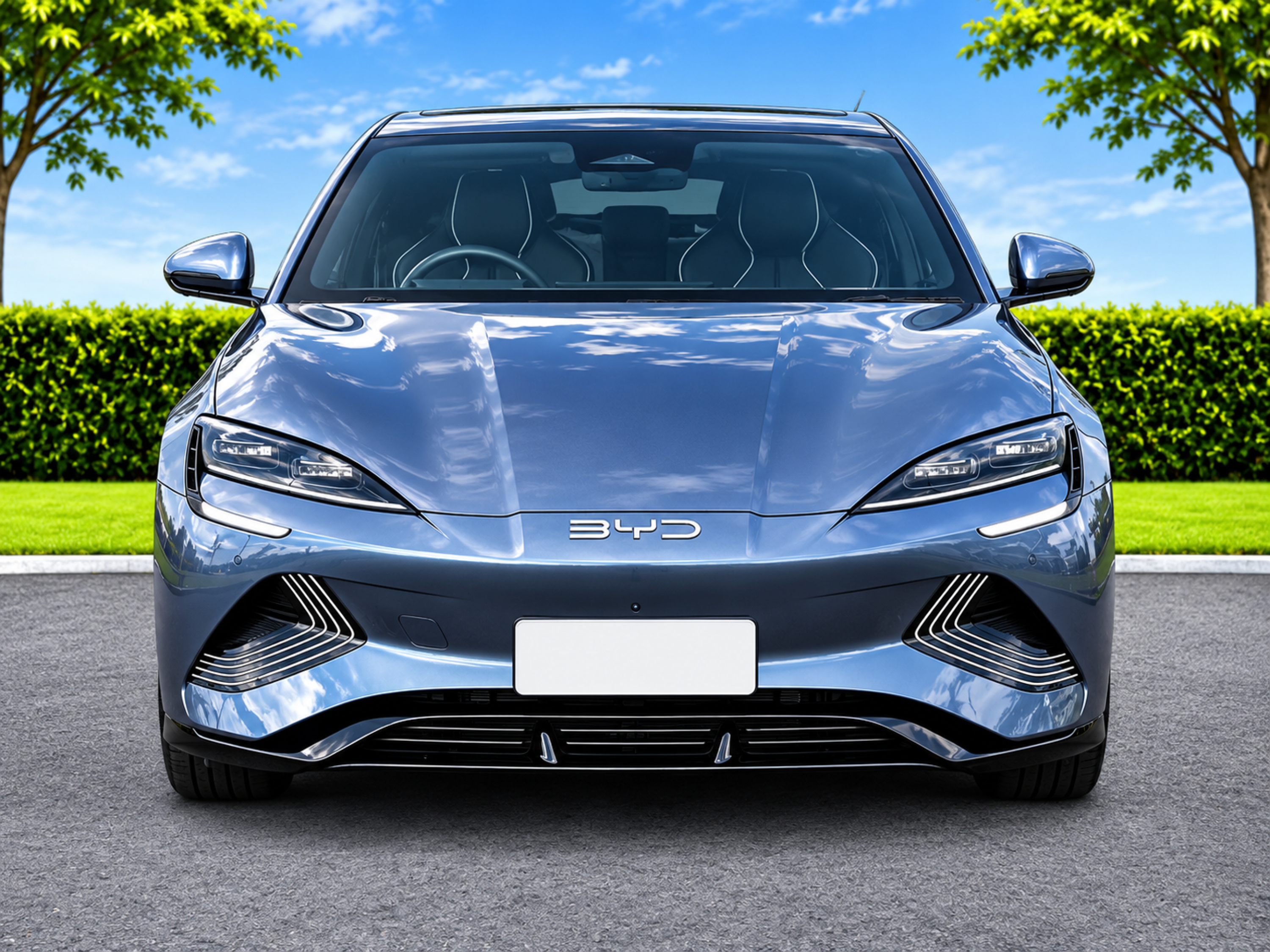
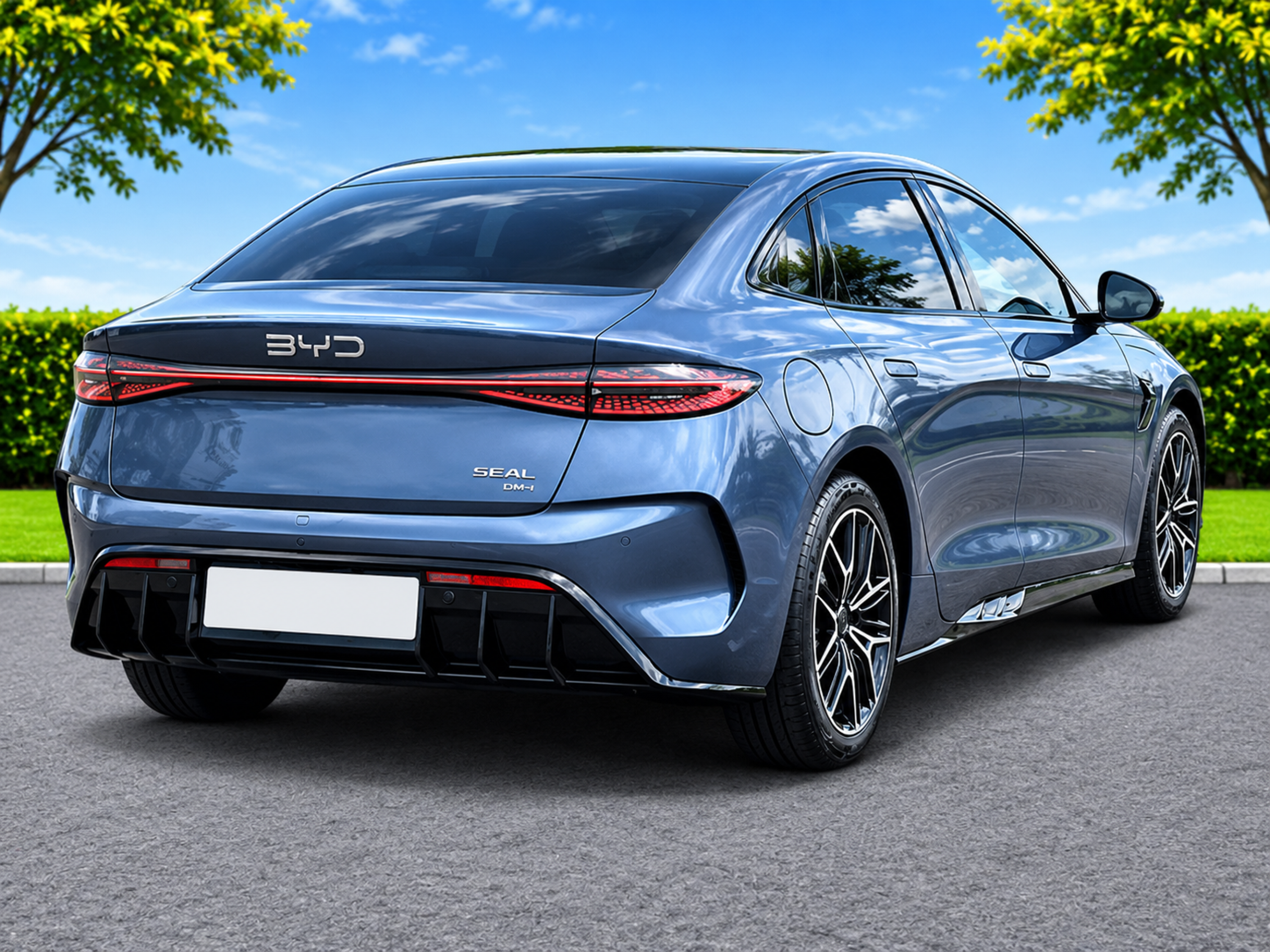
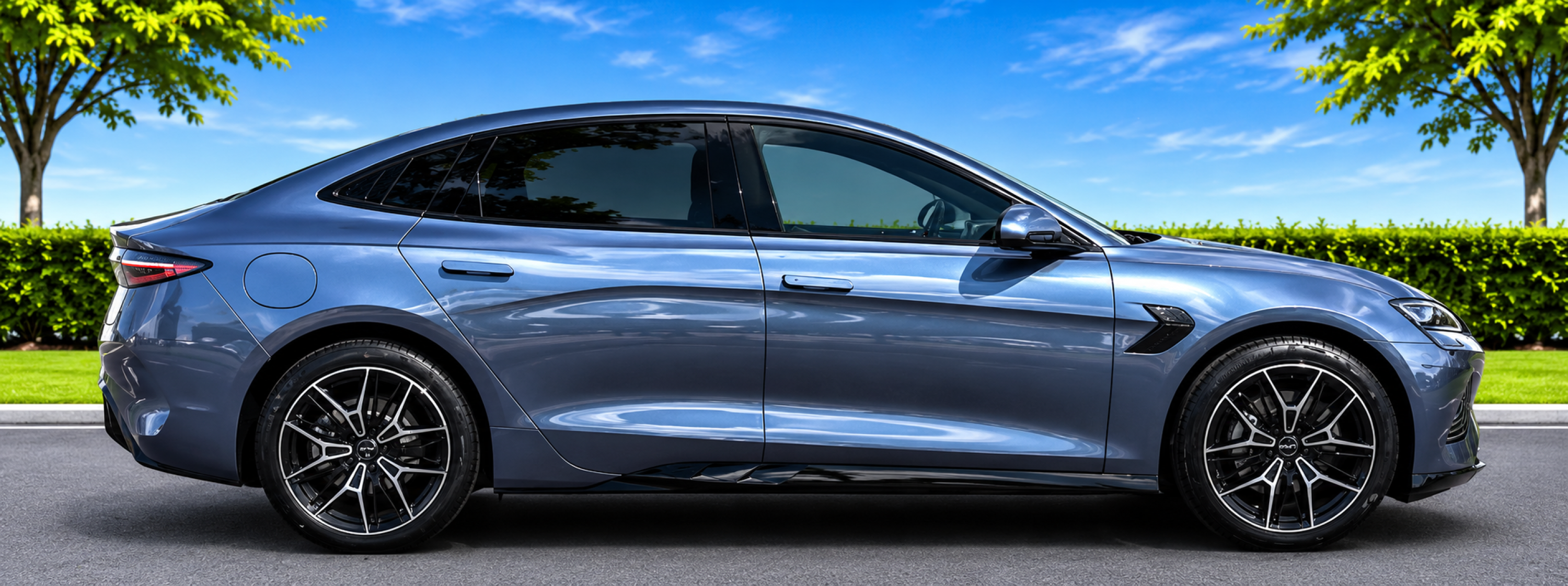
Striking saloon shape and strong performance
Pro
Impressive standard equipment
Pro
2026 updates improve everyday practicality

What could be better

Con
Touchscreen controls require acclimatisation
Con
Rear headroom is compromised by the roofline
Con
Range falls significantly when using all-wheel-drive performance

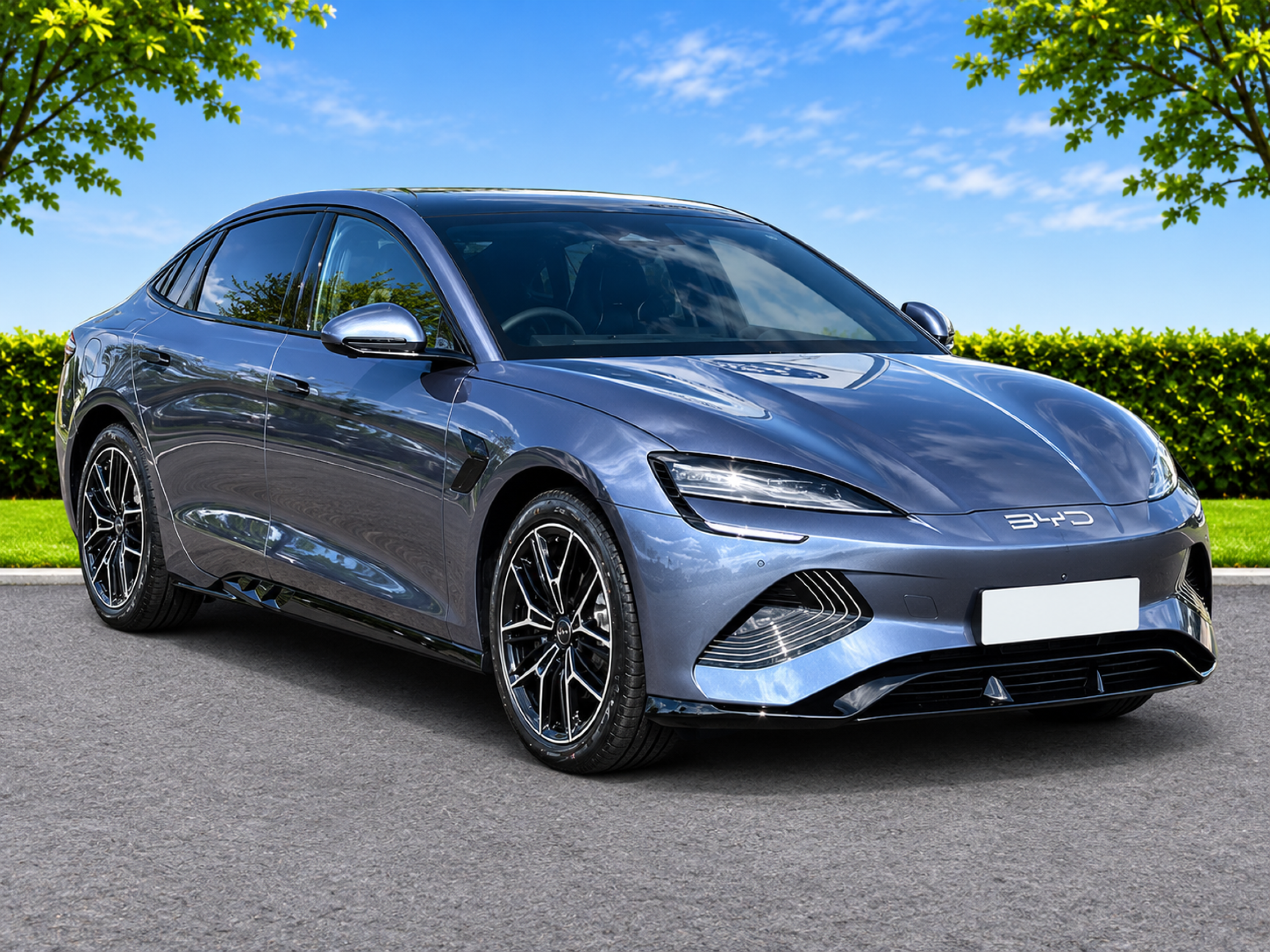
The BYD Seal looks as though it has arrived to interrupt a conversation between the Tesla Model 3 and several expensive European saloons. Low, clean and quite handsome, it is a serious attempt to make an unfamiliar badge feel desirable. And with a 2026 update improving some of the everyday details, it has begun addressing the little complaints that matter more after six months of ownership than during a ten-minute showroom visit.

Check Your Vehicle

Get a Complete Car History Check You Can Trust

We check more! Our reports contain over 85 data points so you get complete peace of mind.

Enter your vehicle registration number

UK

Prices, Engines & Trim Levels

The refreshed 2026 Seal Design costs around £45,730 in the UK. Its single rear motor produces approximately 308bhp and the 82.5kWh Blade battery provides up to 354 miles of official range. Around 270–310 miles is a sensible estimate for mixed UK use in mild weather. It reaches 62mph in 5.9 seconds, which is quick enough to make overtaking easy without turning every departure from the lights into an event.

The Excellence AWD starts around £48,730 and combines two motors for approximately 523bhp. Acceleration to 62mph takes just 3.8 seconds but official range falls to 323 miles, with around 240–280 more realistic in varied conditions. The 2026 update refines specification and practicality while retaining the essential powertrains. Design gets the stronger recommendation: the extra range and calmer demeanour are useful every week, whereas the Excellence’s ferocious acceleration is something you may demonstrate to friends a handful of times.

Interior

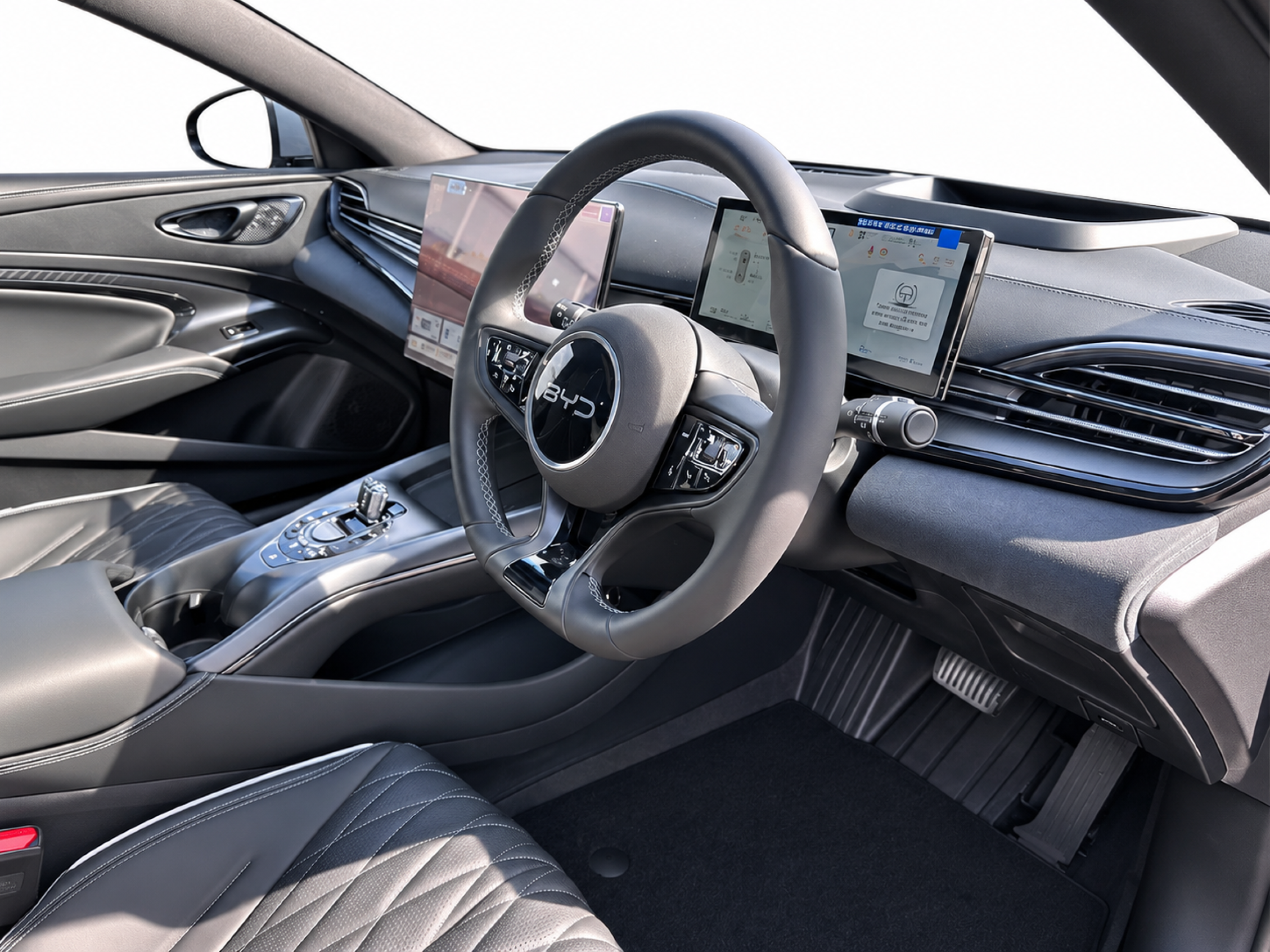
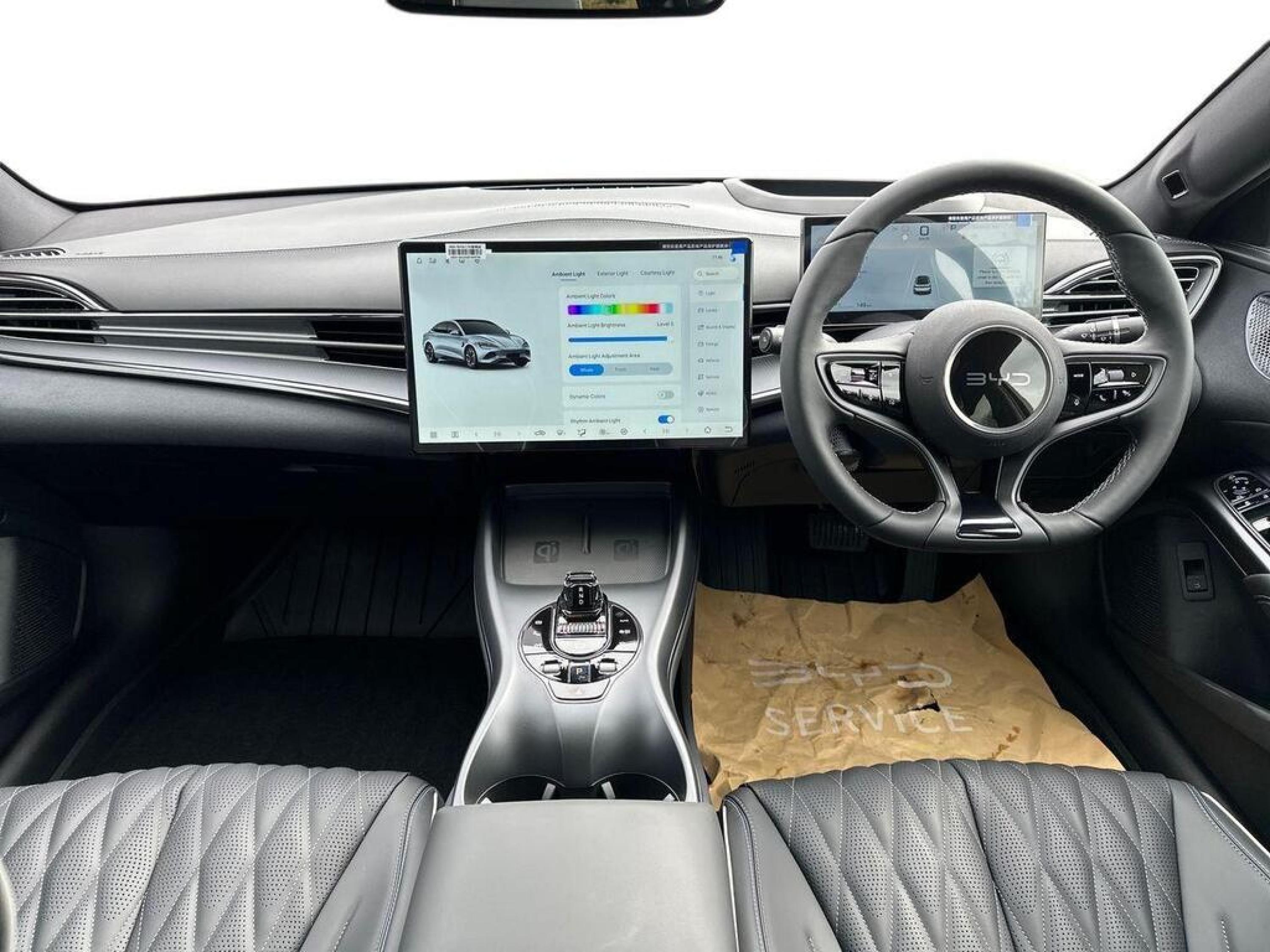
The Seal’s cabin has clearly been designed to challenge established premium names. The dashboard curves around a prominent rotating touchscreen and the surfaces feel unusually rich for the money. A panoramic glass roof, supportive seats and strong standard audio equipment add to the sense of occasion. Compared with the austerity of a Model 3, the BYD feels almost lavish.

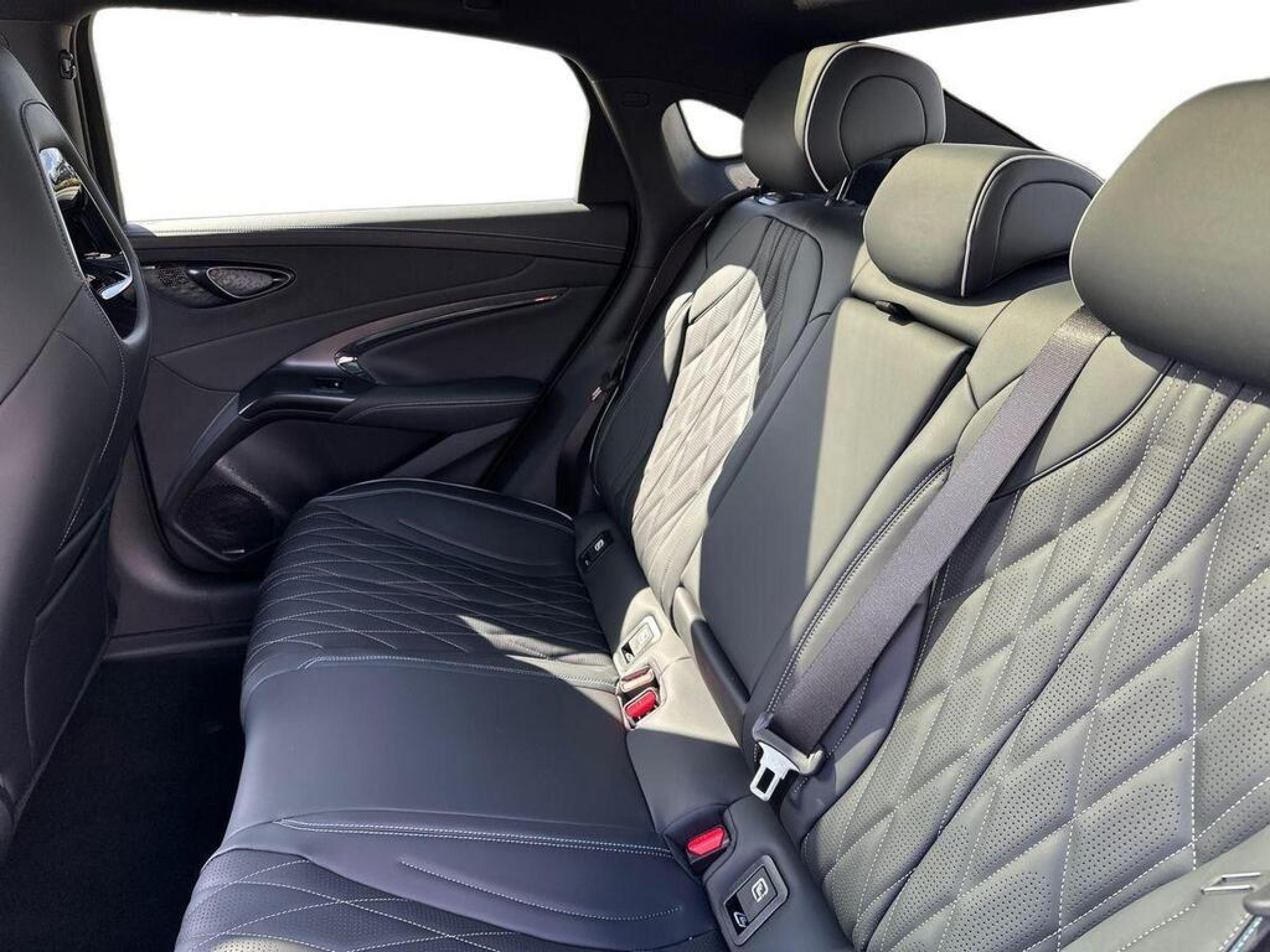
There are compromises, particularly in the interface. The display is bright and quick but climate and vehicle functions can involve more tapping than a physical control would require. A separate instrument screen makes speed and driving information easy to see and smartphone integration helps avoid unfamiliar navigation menus. Interior quality generally impresses, although glossy finishes are liable to fingerprints. Rear passengers sit low beneath the sleek roofline, which is part of the car’s visual appeal and also the reason taller people may feel less comfortable in the back.

Driving Experience

The Design model is an accomplished cruiser. Its rear-wheel-drive layout gives it balanced responses, the steering is progressive and the motor provides plenty of acceleration without making the car difficult to manage. It is happiest covering ground smoothly and quietly, where the well-insulated cabin and long wheelbase do much of the work. The suspension deals with most ordinary surfaces comfortably, though sharp imperfections can still come through.

Excellence has altogether more urgent performance. Put your foot down and the all-wheel-drive system produces an almost excessive surge for a saloon intended to carry people to work. Yet outright speed does not bring the polished cornering feel of a BMW i4. You sense the car’s weight, and steering feedback is limited. The Seal can be enjoyable on a flowing road but its character is more grand tourer than sharp sports saloon. That is no hardship if your weekly mileage is spent on major roads.

Running Costs

Design’s official 354-mile figure is impressive; allow around 270–310 miles in milder mixed conditions, less when driving at sustained motorway speeds in winter. Excellence’s extra motor brings that down to perhaps 240–280 miles in similar use. The choice of version therefore has a genuine effect on how often you need to charge, particularly if you travel long distances several times a week.

Maximum DC charging is around 150kW, and a 10–80 per cent refill takes approximately 37 minutes on a suitable rapid charger. That is acceptable rather than outstanding given the size of the battery. Home AC charging operates at up to 11kW, with a typical UK wallbox requiring a long overnight session from a low charge. The lithium iron phosphate battery chemistry is attractive for longevity and avoids cobalt in the cell chemistry. Expect excellent costs per mile on a cheap home tariff but check insurance and tyres before assuming the performance versions are inexpensive to operate.

Practicality & Size

At about 4,800mm long, 1,875mm wide excluding mirrors and 1,460mm tall, the Seal takes up the space of a substantial saloon. The long wheelbase provides generous rear legroom and the flat floor helps, although passengers much over six feet may feel the descending roofline. Front occupants have plenty of space and comfortable seats; the low seating position gives the cabin a sporting feel without making entry particularly difficult.

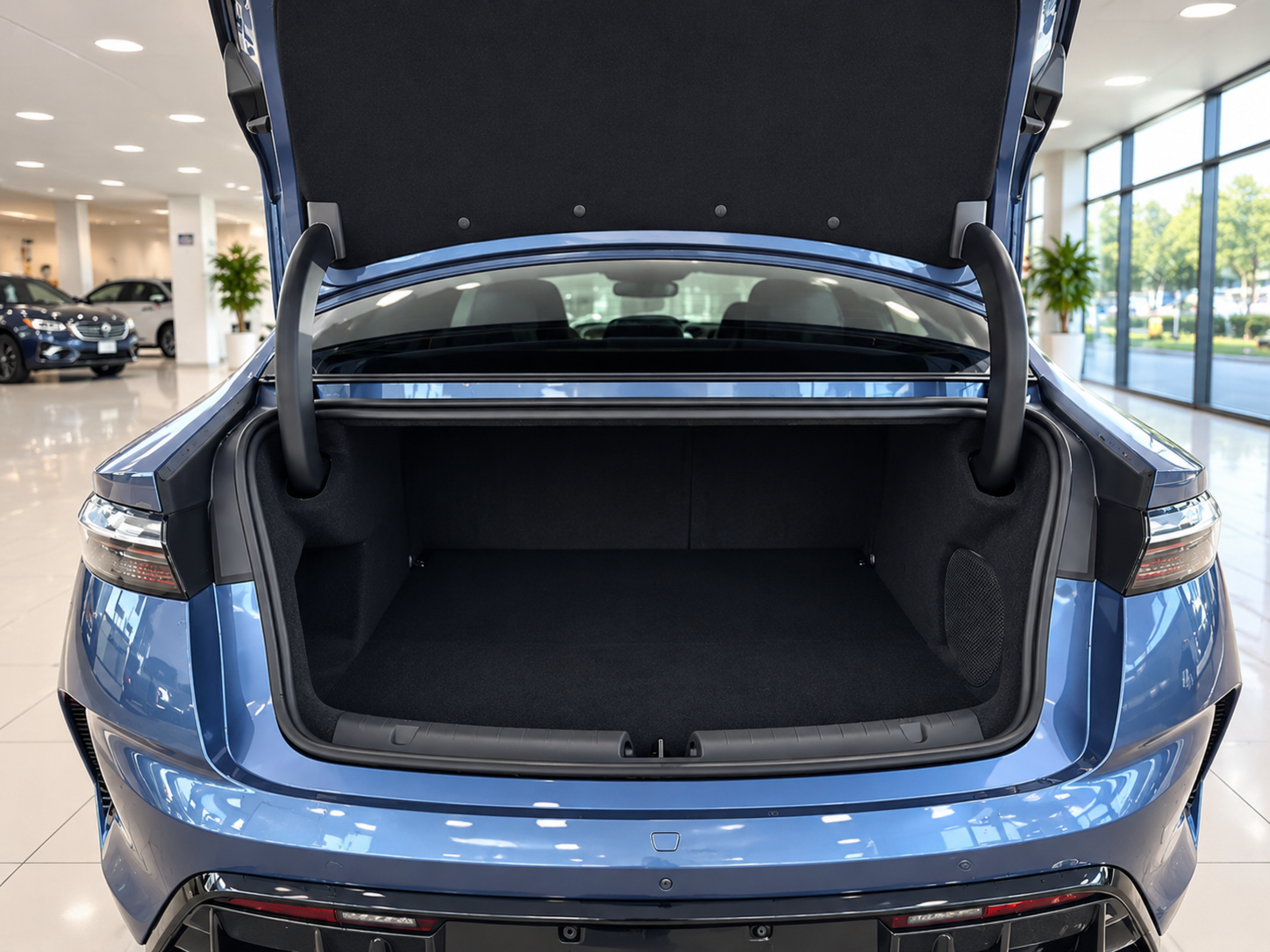
The 2026 model offers a 485-litre rear boot and a useful 72-litre front compartment. The boot offers generous luggage space, although its relatively narrow opening makes loading bulky items, such as pushchairs or large suitcases, more difficult than in a hatchback. Charging cables can live under the bonnet, leaving the main boot for luggage. Families with older children should find the passenger space appealing; those regularly carrying very bulky items may prefer an SUV or hatchback.

Safety & Reliability

The Seal carries a comprehensive collection of electronic safety assistance, including automatic emergency braking, adaptive cruise control and lane support. The low driving position does slightly restrict your view over taller vehicles, though parking cameras and sensors compensate when manoeuvring. The controls can produce more notifications than necessary, especially before owners learn which settings they prefer.

BYD’s experience as a battery manufacturer is a meaningful advantage and the Blade battery has been widely promoted for its structural and thermal characteristics. Still, UK long-term reliability evidence is developing. The six-year vehicle warranty and eight-year battery protection are reassuring but cannot substitute for checking recall completion, software versions and service history. The 2026 updates bring improvements to the BYD Seal's equipment and technology, although buyers should check what features are included when comparing the latest model with older used examples.

Final Thoughts

There is more to the Seal than a long specification sheet. It is quick, handsome, comfortable and generous with equipment. The 2026 changes address practical details, while the Design’s combination of range and rear-drive composure gives it a convincing everyday character. It does not quite have a BMW’s chassis polish or Tesla’s charging ecosystem but it makes a serious alternative to both.

Select a model below for full specifications.

Help other car buyers by reviewing your car

Help fellow drivers make informed decisions by sharing your ownership experience. Tell us how your car performs in the real world - what you love, what you don't, and whether it's worth the money.

Login

Vehicle Information Disclaimer

Vehicle specifications, pricing information and technical data shown on this page are provided for general informational purposes only. Specifications, features and prices may change over time and may vary by market, model year, trim level or optional equipment. Electric vehicle range figures and fuel economy estimates may be based on manufacturer data or standardised testing procedures and may differ from real-world results. While www.vehiclecarcheckreviews.com makes reasonable efforts to ensure information is accurate, Adverglow Ltd does not guarantee the completeness or accuracy of vehicle data. Users should verify all vehicle specifications and pricing directly with manufacturers or authorised dealers before making purchasing decisions.

×